 how-to
5 Steps to Maximize Solar ROI With Cleaning
Last Updated: October 25, 2026
Quick Summary
Maximize solar ROI with cleaning by measuring your baseline energy output, estimating production gains of 15-30% from professional cleaning, calculating annual dollar savings, and comparing cleaning costs to payback period. Most residential systems recover cleaning costs within one to three years through restored efficiency.
- Professional cleaning typically restores 15-30% of lost production from soiling depending on dirt levels and local conditions.
- A 20% efficiency drop from baseline suggests moderate soiling that makes cleaning financially worthwhile.
- Cleaning costs vary by system size and location, so request quotes to calculate your specific payback period.
- OSHA-trained professionals using soft-bristle systems and deionized water protect your manufacturer warranty.
- Regular annual maintenance cleaning costs less than deep cleaning heavily soiled panels and prevents major buildup.
Table of Contents
- How Soiling Reduces Solar Panel Efficiency and Energy Output
- How Often to Clean Solar Panels for Peak Performance
- Cost of Professional Solar Panel Cleaning vs. DIY
- Calculating Solar Panel Cleaning ROI Step by Step
- Solar Panel Cleaning Cost vs. Energy Savings: When It Breaks Even
- Safety, Warranties, and Long-Term Protection From Professional Cleaning
- Schedule Your First Professional Solar Panel Cleaning
- Frequently Asked Questions
How Soiling Reduces Solar Panel Efficiency and Energy Output
Solar panels lose power when dirt builds up on the glass surface. Dust, pollen, bird droppings, and grime block sunlight from reaching the photovoltaic cells underneath.
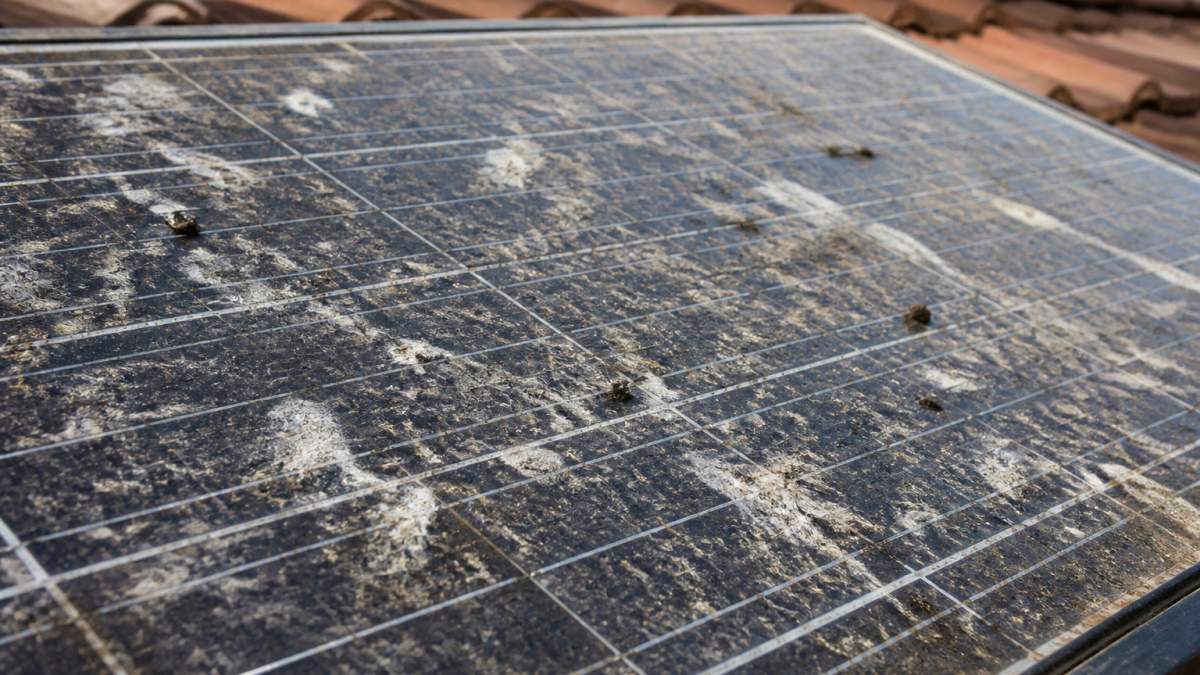
Most homeowners don't realize how quickly soiling happens. A single month of dust accumulation can cut energy output noticeably. In dusty regions or areas with heavy bird activity, the problem accelerates even faster.
What causes soiling on solar panels
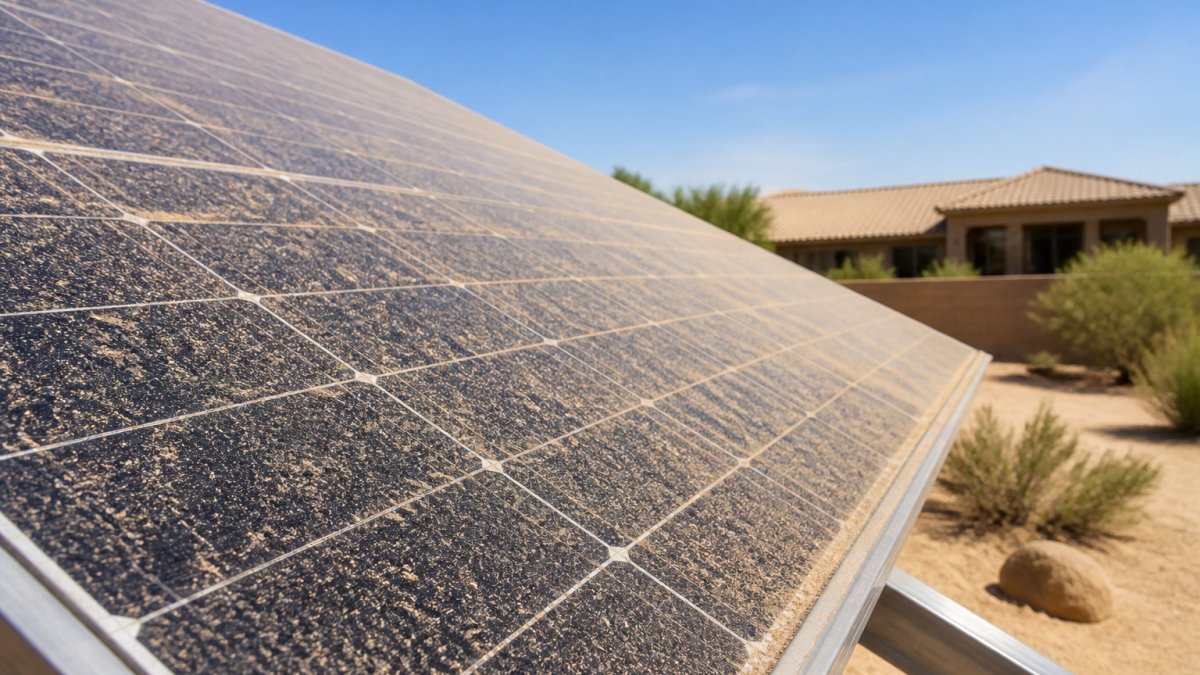
Soiling happens from multiple sources. Dust particles settle on the glass during dry periods. Pollen coats panels in spring and early summer. Bird droppings create stubborn spots that block light.
Rain helps wash panels, but it's not enough. Rainwater often leaves mineral deposits and streaks. These residues reduce light transmission even after the water dries.
The speed of soiling depends on your location and environment. Areas near farms, highways, or construction sites see faster buildup. Dry climates with infrequent rain trap more dust.
Measuring performance loss from dirt and debris
You can measure soiling loss by monitoring your system's output. Compare your panels' actual production to their expected output on clear days.
Most solar systems include monitoring software. Check your app or web portal for daily production data. Look for unexplained drops in kilowatt-hours generated.
Professional cleaning companies often provide before-and-after production reports. These reports show the exact energy recovery from cleaning. This data becomes your baseline for calculating cleaning ROI.
How Often to Clean Solar Panels for Peak Performance
The answer depends on your location, weather patterns, and how dirty your panels get. There's no universal cleaning schedule that works everywhere.
Regional factors that determine cleaning frequency
Dust accumulation varies dramatically by region. Desert areas with minimal rainfall need more frequent cleaning. Humid regions with regular rain may need cleaning less often.
Your immediate environment matters too. Trees nearby drop leaves and pollen. Livestock or wildlife in the area contribute droppings. Construction projects nearby create dust clouds.
Seasonal changes also affect soiling rates. Spring brings heavy pollen. Summer dust storms hit certain regions hard. Fall leaves create debris. Winter rain can help, but also leaves mineral deposits.
Using production monitoring to decide when cleaning pays off
The best way to know when cleaning is worth it is to watch your system's production data. Track your daily kilowatt-hour output over several weeks.
Most systems produce consistent output on clear days when panels are clean. A 10-15% drop from your baseline suggests moderate soiling.
Don't clean just because panels look dirty. Clean when the production loss exceeds the cost of cleaning. This is the key to maximizing solar ROI with cleaning.
Cost of Professional Solar Panel Cleaning vs. DIY
Cleaning your panels yourself sounds cheaper upfront. But DIY cleaning carries real risks to your system and warranty.
What professional cleaning includes and why it protects your warranty
Professional cleaning uses specialized equipment and techniques designed for solar glass.
Most solar manufacturers specify approved cleaning methods and materials. Pressure washing or abrasive scrubbing voids many warranties.
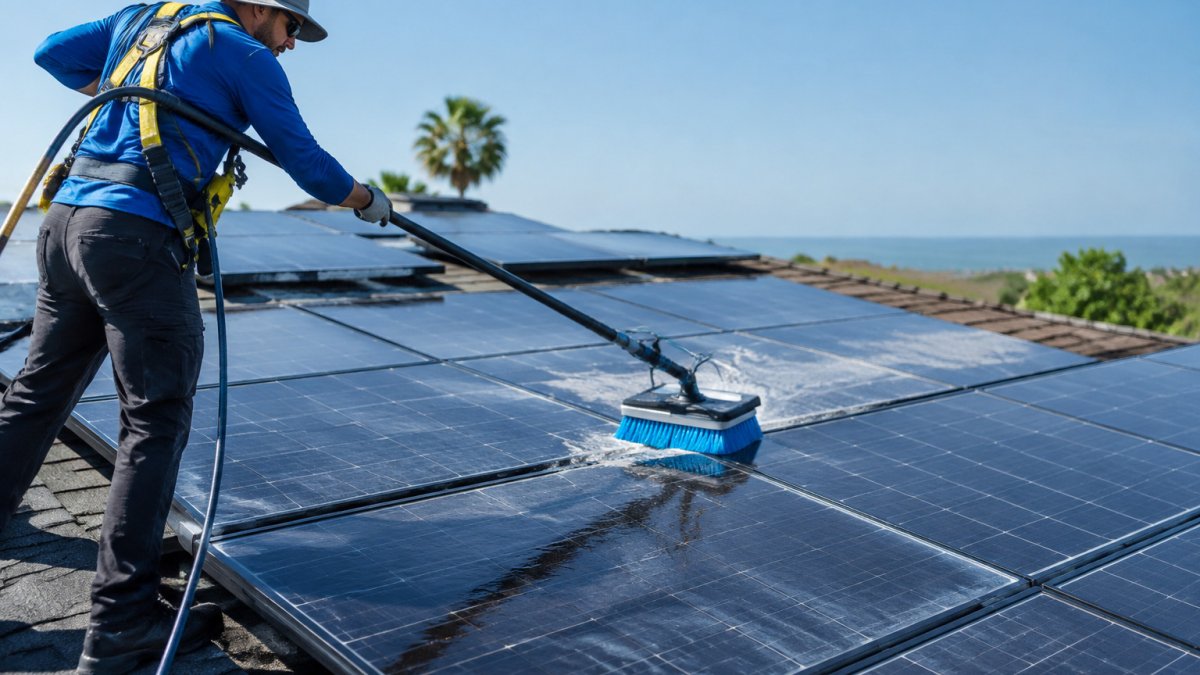
Professional teams are trained to work safely at height. They have insurance covering property damage and personal injury. They follow OSHA safety standards.
Professional cleaning also includes detailed production reports. These reports document the energy recovery from cleaning. You get proof that cleaning delivered the ROI you expected.
Risks of pressure washing and abrasive methods
Pressure washing is the biggest mistake homeowners make. High-pressure water can force water into panel seals, causing internal damage.
Abrasive scrubbing with stiff brushes scratches the glass surface. Even small scratches reduce light transmission. Scratched panels produce less power permanently.
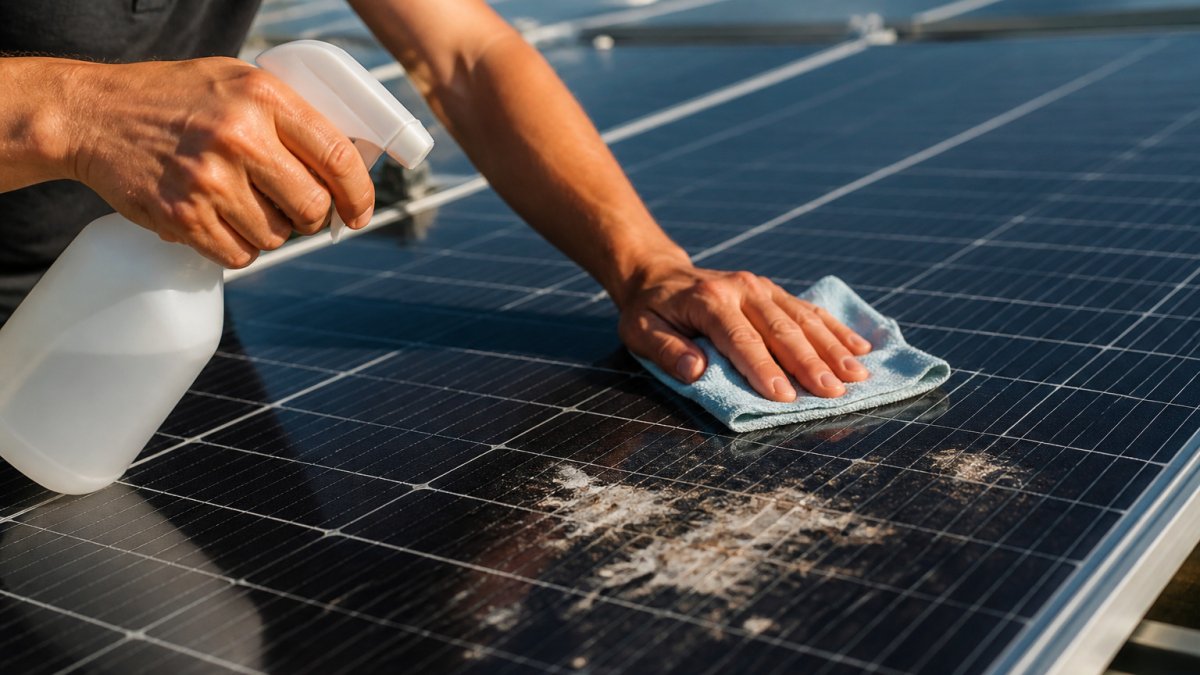
Using harsh chemicals or household cleaners can degrade the glass coating. Some cleaners leave residue that actually reduces panel efficiency.
DIY cleaning also puts you at personal risk. Falls from roofs cause serious injuries.
Calculating Solar Panel Cleaning ROI Step by Step
Here's how to determine whether professional cleaning makes financial sense for your system. This process works for residential and commercial installations.
Step 1: Measure your current energy output and efficiency loss
Start by establishing your baseline. Review your system's production data from the past 30-60 days on clear, sunny days. Record the average daily kilowatt-hours generated.
Next, measure the current efficiency loss. Compare your actual output to what your system should produce based on sunlight hours and panel specifications. The difference is your soiling loss.
Many monitoring systems show this automatically. If not, contact your installer or solar company for help calculating it. You need a specific number, not a guess.
Step 2: Estimate the production gain from cleaning
Professional cleaning typically restores 15-30% of lost production from soiling. The exact gain depends on how dirty your panels are and your local conditions.
Heavily soiled panels in dusty regions might recover closer to 25-30%. Moderately soiled panels might recover 15-20%. If panels are only lightly soiled, the gain might be smaller.
Use 20% as a reasonable middle estimate if you don't have specific data. Multiply your current efficiency loss by 20%. This is your expected kilowatt-hour recovery from cleaning.
Step 3: Calculate annual energy savings in kilowatt-hours and dollars
Take your monthly kilowatt-hour recovery and multiply by 12 for annual savings. This tells you how many extra kilowatt-hours you'll generate each year after cleaning.
Now convert kilowatt-hours to dollars. Check your electric bill for your rate per kilowatt-hour.
Multiply your annual kilowatt-hour recovery by your rate. This is your annual dollar savings from cleaning.
Step 4: Compare cleaning cost to energy savings payback
Professional cleaning costs vary based on system size, roof complexity, and your location. Request a quote to get accurate pricing for your specific situation.
Divide the cleaning cost by your annual energy savings. This gives you the payback period in years. A cleaning that costs $150 with $180 annual savings pays back in one year. A $300 cleaning with the same $180 savings pays back in about two years.
| Step | Action | Key Number |
|---|---|---|
| 1 | Measure baseline production on clear days | Daily kWh average |
| 2 | Estimate soiling loss from current output | % of production lost |
| 3 | Calculate annual energy recovery | Annual kWh × rate = annual $ savings |
| 4 | Compare cleaning cost to annual savings | Payback period in years |
Solar Panel Cleaning Cost vs. Energy Savings: When It Breaks Even
Your cleaning investment breaks even when annual energy savings equal the cleaning cost. After that point, you're generating pure profit from restored efficiency.
Payback periods for residential and commercial systems
Residential systems typically pay back cleaning costs within one to three years.
Commercial systems often see faster payback. A warehouse with 200+ panels generates substantial energy. Even modest efficiency recovery translates to hundreds of dollars in annual savings.
The payback math changes if you clean regularly. Annual maintenance cleaning costs less than deep cleaning heavily soiled panels. Regular cleaning keeps efficiency high year-round, and this strategy to maximize solar ROI with cleaning prevents major buildup.
When cleaning delivers immediate ROI improvement
Cleaning delivers immediate ROI gains when soiling loss exceeds 20% of your system's capacity. In this scenario, even expensive professional cleaning pays for itself quickly through restored energy production.
Watch for these signals that cleaning will pay off fast:
- Your panels visibly covered with dust, pollen, or bird droppings
- Production dropped significantly from your baseline without weather explanation
- You haven't cleaned panels in over a year
- You live in a dusty, coastal, or high-pollen region
- Your system is large enough to generate substantial power
At Mr Clean Solar Cleaning, we've analyzed thousands of residential and commercial systems. The systems that benefit most from cleaning are those with heavy soiling and high energy output. Systems in dusty regions, near trees, or in areas with bird activity see faster ROI from regular cleaning.
Safety, Warranties, and Long-Term Protection From Professional Cleaning
Protecting your warranty and preventing damage should be your top priority. This is where professional cleaning proves its value.
Why OSHA-trained technicians and soft-bristle systems prevent damage
OSHA-trained technicians understand electrical hazards and fall prevention. They follow safety protocols that keep your roof and your system protected. They carry proper insurance covering liability and property damage.
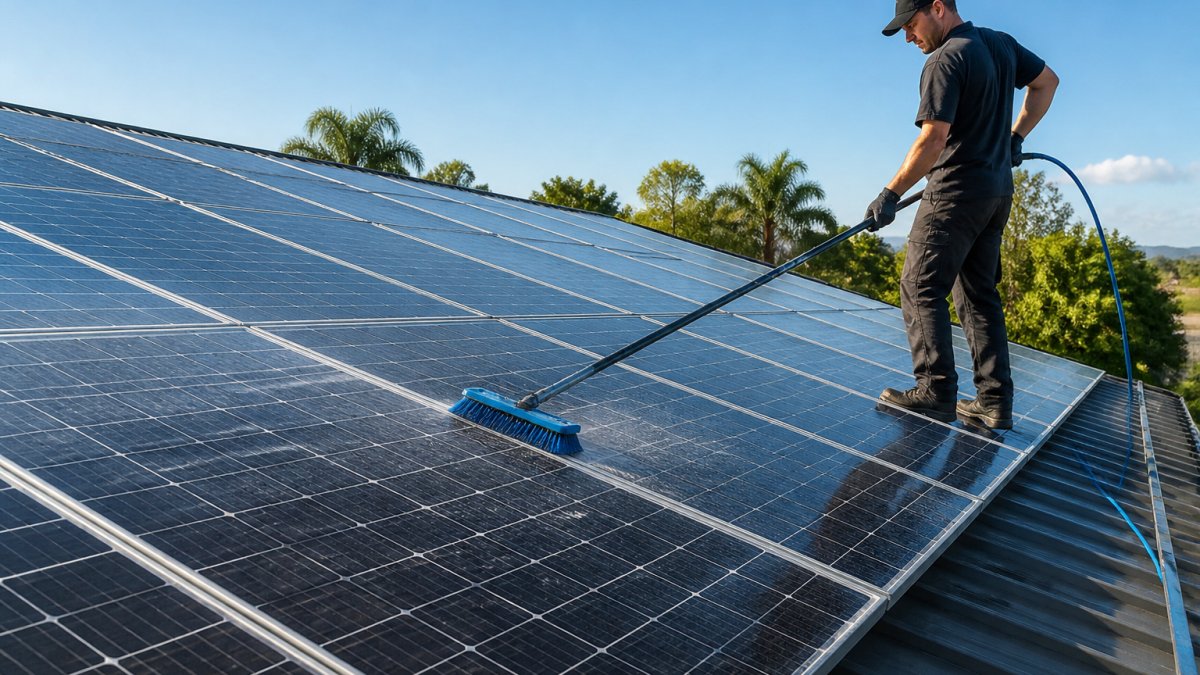
Soft-bristle systems engineered specifically for solar glass clean effectively without causing damage. These systems use gentle pressure and specialized brushes designed for the glass coating. They remove grime without scratching or degrading the surface.
Deionized water leaves no mineral residue. It dries streak-free and doesn't reduce light transmission. This approach restores panels to near-factory condition.
How proper cleaning protects your manufacturer warranty
Most solar panel manufacturers specify approved cleaning methods. Pressure washing or harsh chemicals void the warranty immediately.
Professional cleaning companies like Mr Clean Solar Cleaning follow manufacturer guidelines exactly. We use equipment and methods approved by leading panel manufacturers. Our cleaning protects your warranty while restoring your system's efficiency.
Keep your cleaning receipts and performance reports. These documents prove you maintained your system properly. If a panel fails, you'll have documentation showing proper care and maintenance.
Schedule Your First Professional Solar Panel Cleaning
The next step is straightforward. Get your panels cleaned by certified professionals who understand solar systems and warranty protection.
Professional cleaning restores your system to peak efficiency. You recover lost energy production. Your annual savings begin immediately.
At Mr Clean Solar Cleaning, our OSHA-trained team uses ultra-pure deionized water and soft-bristle systems engineered for solar glass.
OSHA electrical safety standards for renewable energy ensure our team meets the highest safety standards. Solar Energy Industries Association guidelines on panel maintenance inform our cleaning protocols.
Whether you manage a single residential system or oversee a large commercial installation, professional cleaning maximizes your solar ROI with cleaning. Learn how to calculate solar cleaning ROI with our detailed framework. Compare DIY and professional cleaning methods to make the right choice for your warranty and safety. Discover the seasonal cleaning schedule that keeps your system performing year-round.
Contact Mr Clean Solar Cleaning to request a free quote and schedule your first professional cleaning. Let's talk about your solar to discuss your residential cleaning needs and get started today.
Frequently Asked Questions
Does cleaning your solar panels actually improve efficiency and energy output?
Yes. Dust, dirt, pollen, and bird droppings block sunlight from reaching photovoltaic cells, reducing energy production by 5-25% depending on soiling severity and location. Professional cleaning removes this buildup and restores system efficiency. Most homeowners see measurable increases in kilowatt-hour production within days of cleaning, which directly lowers their electricity costs and improves solar ROI.
How often should solar panels be cleaned to maximize ROI?
Cleaning frequency depends on your location, weather patterns, and system monitoring data. Arid regions with dust and bird activity may need quarterly cleaning, while areas with regular rainfall need less frequent service. The best approach is monitoring your system's energy output: if production drops 5-10% below expected levels, cleaning typically pays for itself. Establish a maintenance schedule based on actual performance loss, not a fixed calendar.
What is the cost of professional solar panel cleaning compared to energy savings?
Professional cleaning costs vary based on system size, roof access, and location. Pricing depends on quantity, dates, and delivery. Contact Mr Clean Solar Cleaning for a detailed quote.
Can pressure washing or DIY cleaning damage my solar panels or void my warranty?
Yes. Pressure washing can crack glass, damage anti-reflective coatings, and force water into sealed compartments, voiding manufacturer warranties. Professional cleaning uses soft-bristle systems and ultra-pure deionized water without abrasive chemicals. OSHA-trained technicians follow manufacturer guidelines to protect your investment.