 how-to
Remove Bird Droppings From Solar Panels: A Safe How-To Guide
Table of Contents
- Can Bird Droppings Damage Solar Panels
- Why Remove Bird Droppings From Solar Panels
- Tools and Equipment for Cleaning Solar Panels Safely
- Step-by-Step: How to Safely Remove Bird Droppings
- How Often to Clean Solar Panels
- When to Hire a Professional Solar Panel Cleaner
- Preventing Bird Droppings and Future Buildup
- Frequently Asked Questions
Last Updated: October 11, 2026
Can Bird Droppings Damage Solar Panels
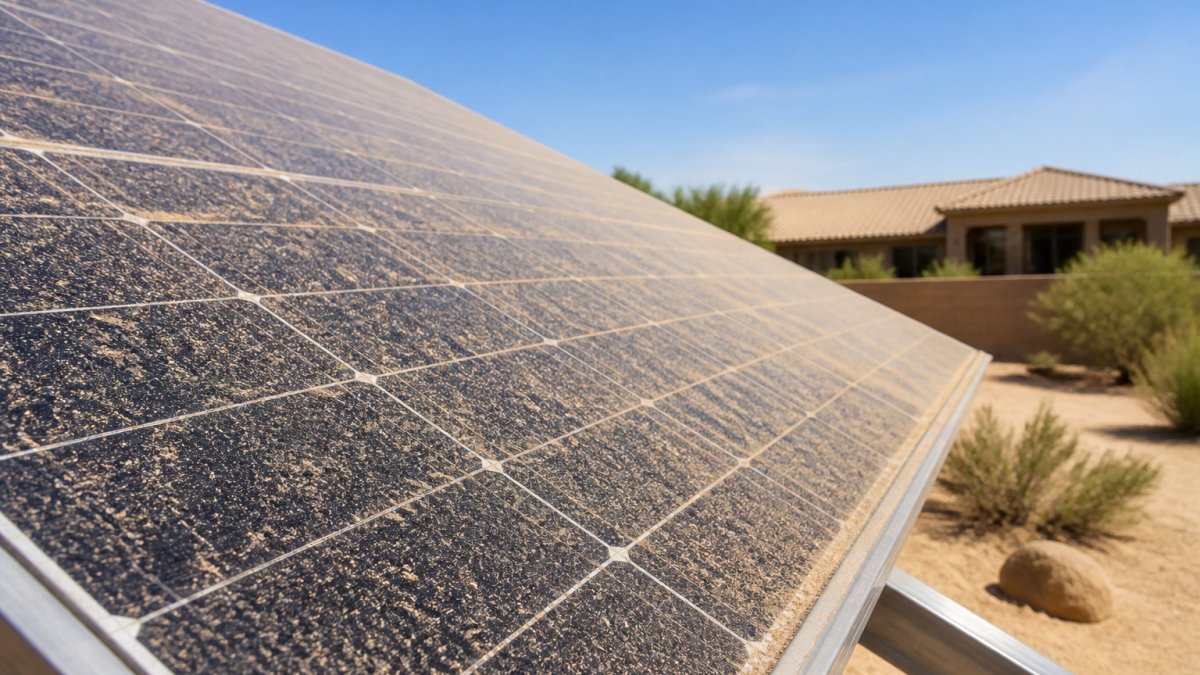
Yes, bird droppings can damage solar panels and significantly reduce their efficiency, which is why it's important to remove bird droppings from solar panels regularly. The acidic nature of droppings eats away at the protective glass coating over time, creating permanent etching and micro-scratches that scatter light and degrade performance. Even small amounts of buildup block sunlight from reaching the photovoltaic cells underneath, forcing your system to work harder and produce less energy.
Accumulated bird droppings can reduce panel output by 25-30%. The longer droppings sit on the glass surface, the more they bond chemically and physically to the panel, making removal harder.
Dried droppings also foster lichen and moss growth, which corrode electrical connections and can void warranties if traced to neglect.
Why Remove Bird Droppings From Solar Panels
Cleaning bird droppings from solar panels restores energy output and protects your investment. A single panel covered in droppings can drag down the output of an entire string of panels wired in series.
Regular removal prevents long-term damage and chemical bonding. This is especially critical in areas where birds nest frequently, such as near trees or on warehouse rooftops.
Regular cleaning prevents this loss and pays for itself.
Tools and Equipment for Cleaning Solar Panels Safely
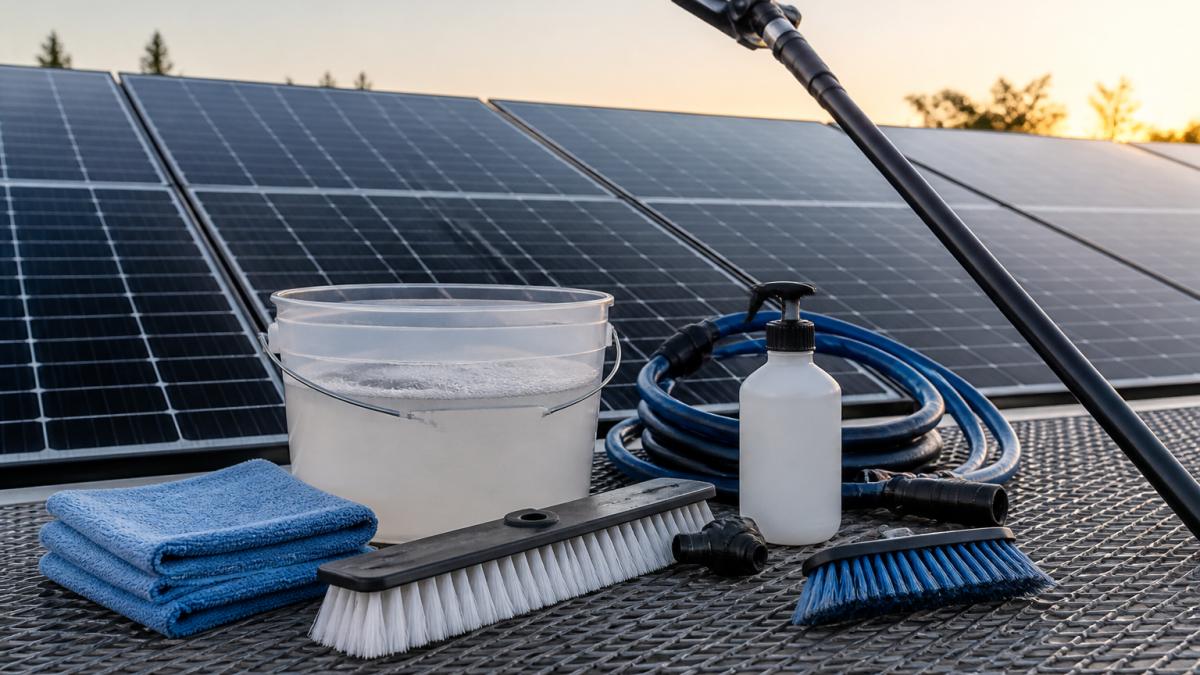
Cleaning bird droppings from solar panels requires the right tools to avoid scratching or damaging the glass. The goal is gentle removal without abrasion. Here's what you need:
Essential equipment:
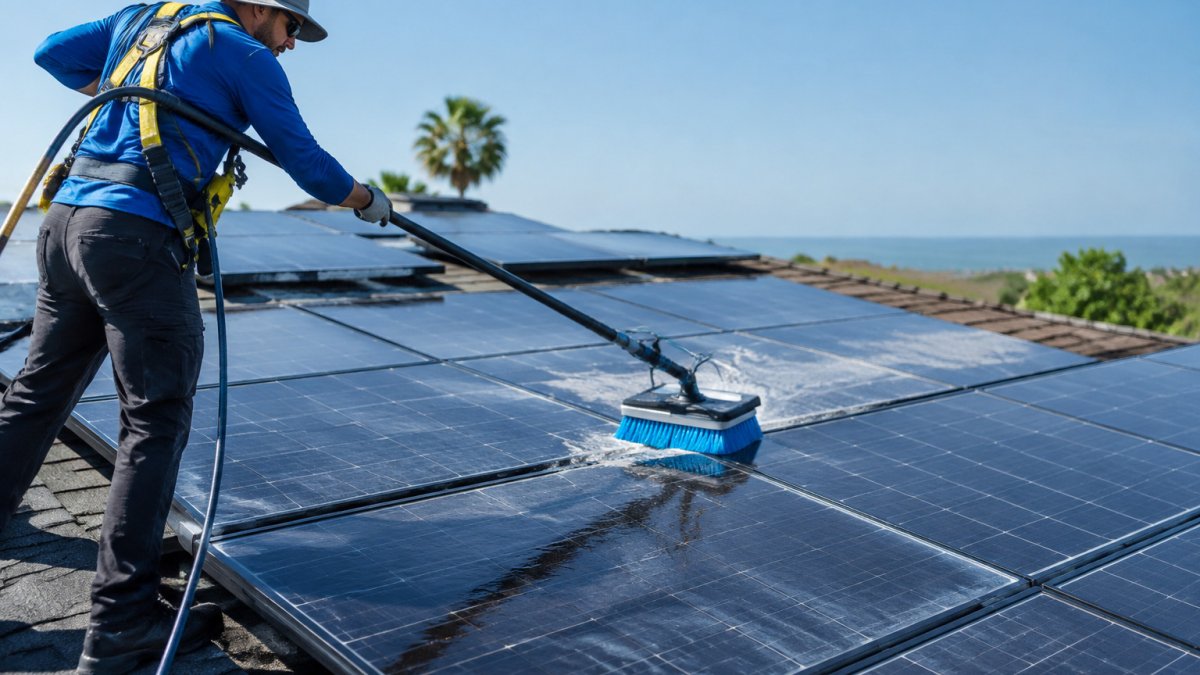
- Soft-bristle brush with long handle (10-15 feet reach)
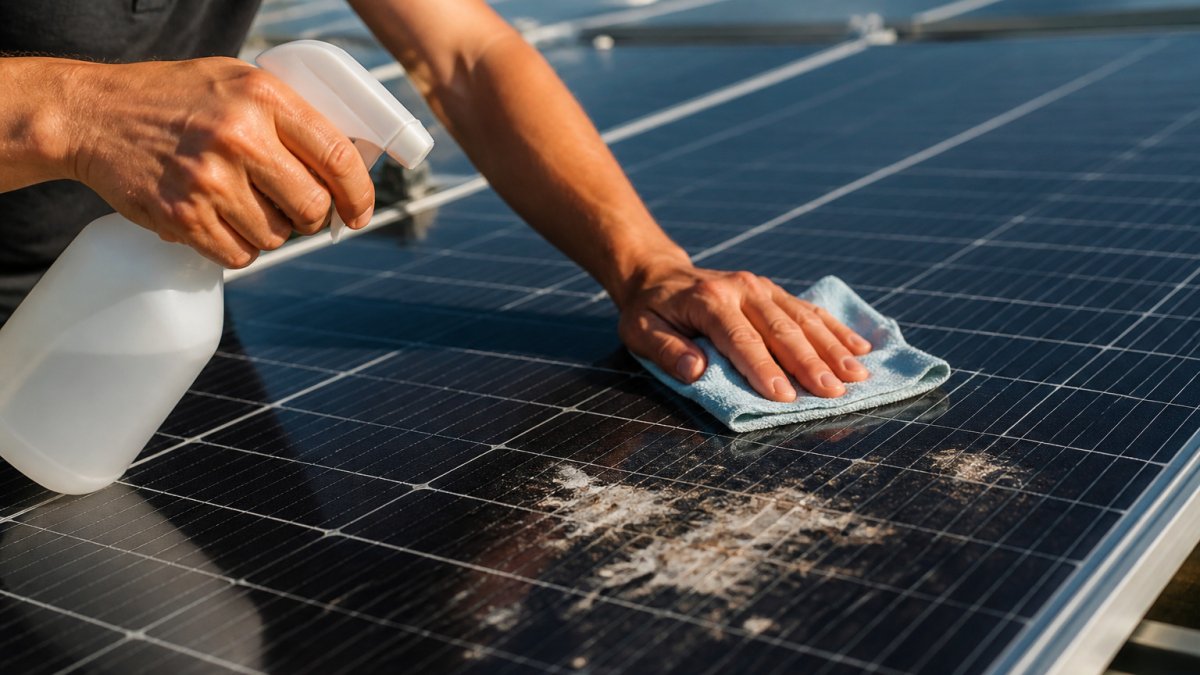
- Microfiber cloths or soft cotton rags
- Bucket for water and mild soap solution
- Garden hose with adjustable nozzle
- Safety harness and roof anchor (if panels are roof-mounted)
- Work gloves (nitrile or cotton)
- Eye protection
- Thermometer (optional but recommended)
Use distilled or deionized water if possible; tap water leaves mineral deposits that reduce light transmission by 2-5%. If using tap water, rinse thoroughly with distilled water afterward.
Never clean panels when hot from direct sunlight; cool water on hot glass (above 120°F) causes thermal shock and cracks. Clean early morning (before 9 a.m.) or late afternoon (after 4 p.m.) when panels have cooled.
For stubborn droppings, mix a few drops of dish soap in a bucket of water (no more than 1 teaspoon per gallon). Avoid commercial cleaners, vinegar, or harsh chemicals, which damage the anti-reflective coating and sealants.
Use room-temperature or cool water (50-70°F), never hot. Let hose water run a few seconds to cool before applying to panels.
What to Avoid When Cleaning
Never use a pressure washer on solar panels. Even "low-pressure" washers (1,500 psi or higher) crack glass, force water into seals, and create electrical hazards.
Abrasive tools like scouring pads, steel wool, or squeegees scratch glass permanently, reducing light transmission by 1-3% per scratch. Use only microfiber or soft cotton cloths.
Do not use vinegar, bleach, acetone, or rubbing alcohol; these degrade sealants and etch glass. Use only plain water and mild dish soap.
Avoid cleaning during or immediately after rain; wet panels are slippery and conduct electricity, increasing shock risk.
Inspect panels before cleaning. Look for visible cracks, discolored areas (which may indicate internal moisture or delamination), or loose mounting hardware.
Step-by-Step: How to Safely Remove Bird Droppings
Follow this process to clean bird droppings from solar panels safely and effectively without causing damage. This procedure applies to residential systems on roofs or ground mounts. For systems over 20 panels, roof heights above one story, or panels in difficult-to-access locations, skip to the professional cleaning section.
Pre-Cleaning Safety Check and System Shutdown
Before starting, turn off your solar system at the inverter's main disconnect switch (labeled "DC Disconnect" or "AC Disconnect"). Switch to OFF and wait 5 minutes for full de-energization. Do not skip this step; working on live panels risks electrocution.
If your system has battery backup, turn off the battery disconnect as well.
Before climbing onto a roof, inspect from the ground for wet/icy surfaces, visible cracks, loose bolts, deteriorated sealant, or water stains inside panels. Do not proceed if the roof is wet, icy, unstable, or steeper than 6:12 pitch. Contact a professional if you find any issues.
Wear work gloves, eye protection, and a safety harness with roof anchor if working higher than 6 feet. Never work alone on a roof.
Assessing Whether Cleaning Is Necessary
Before you clean, confirm that bird droppings are actually affecting your output. Check your system's performance data via your monitoring app or inverter display. Compare this month's production to the same month last year. A drop of 10-15% or more often indicates significant buildup.
If you see only a few small spots of droppings and your output is normal, cleaning may not be necessary. Excessive cleaning can cause more wear than benefit. Clean only when you see visible accumulation or when output drops unexpectedly.
Removing Fresh Droppings
Use a soft-bristle brush and plain water, working downward with light pressure. Rinse with a garden hose on low pressure (below 50 psi), holding the nozzle at least 12 inches from the panel surface. Fresh droppings often come off with water alone.
For stubborn spots, dip the brush in a mild soap solution (a few drops of dish soap in a bucket of water) and gently scrub in circular motions. Rinse immediately with clean water. Do not let the soap dry on the panel; dried soap leaves residue that reduces light transmission.
Tackling Stubborn or Dried Droppings
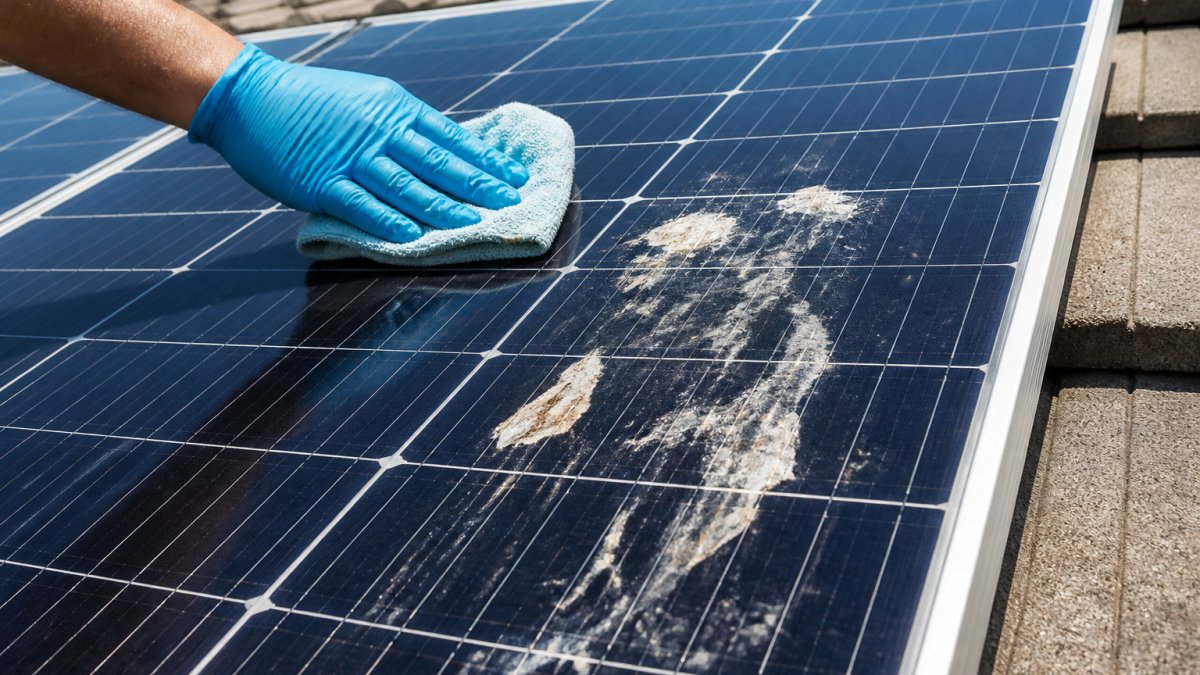
Dried droppings require patience and soaking. Soak the affected area with plain water first to soften the deposit. Let it sit for 5-10 minutes. This loosens the chemical and physical bond between the dropping and the glass without requiring scrubbing.
Use a soft cloth or microfiber towel to gently wipe the area. Apply light pressure and work slowly. If the dropping doesn't come off easily, soak it again rather than scrubbing harder. Repeat the soak-and-wipe cycle 2-3 times if needed.
For very stubborn deposits, apply mild soap solution and let sit 3-5 minutes, then gently wipe with a soft cloth and rinse thoroughly. Never use scrapers, razor blades, or hard tools; these scratch glass permanently and reduce efficiency by 1-3% per scratch.
Final Rinsing, Inspection, and System Restart
Rinse the entire panel surface with clean water, preferably distilled or deionized. Wipe dry with a clean microfiber cloth to prevent water spots.
Inspect the panel closely for damage. Look for:
- New scratches or scuff marks on the glass
- Cracks or chips in the glass or frame
- Water inside the panel (condensation or droplets visible through the glass)
- Loose or corroded mounting bolts
- Damaged sealant
If you see scratches, cracks, or internal moisture, document them with photos and contact the panel manufacturer or a professional cleaner. Do not turn the system back on if you suspect internal damage; this can cause electrical faults or fire risk.
Once cleaning is complete and you've confirmed no damage, turn your solar system back on at the inverter. Switch the DC Disconnect to ON first, then the AC Disconnect. Wait 2-3 minutes for the system to initialize.
Monitor output over the next few days. You should see a 5-15% increase in daily production if bird droppings were blocking significant sunlight.
How Often to Clean Solar Panels
The frequency of cleaning depends on your location and environment. In areas with frequent bird activity, quarterly cleaning prevents significant buildup. In drier regions with less bird activity, twice-yearly cleaning may be sufficient.
Monitor your system's energy output. If production drops unexpectedly, it's time to check the panels. A sudden 10-15% dip often indicates significant buildup of bird droppings or dust.
Seasonal factors matter. Spring and fall bring more bird activity and nesting. Summer heat can bake droppings onto the glass, making them harder to remove. Winter rain may help rinse panels naturally, but freezing temperatures can make cleaning dangerous.
High-traffic bird areas, near trees, water sources, or buildings, require more frequent cleaning. Residential areas typically need cleaning 2-4 times per year. Commercial installations with 50+ panels benefit from quarterly professional cleaning to maintain peak efficiency.
When to Hire a Professional Solar Panel Cleaner
Professional cleaning becomes cost-effective when your system exceeds 15-20 panels or when panels are difficult to access. Roof-mounted systems over one story high present safety risks that professionals are trained to handle.
Mr Clean Solar Cleaning brings specialized equipment and expertise that DIY cleaning cannot match. Our team uses ultra-pure deionized water and eco-friendly techniques. We also inspect panels for damage during cleaning, catching problems early before they become expensive repairs.
Professional cleaners carry insurance and follow OSHA safety standards. If someone is injured while you're cleaning your own panels, your homeowner's insurance may not cover it. A professional service eliminates this liability.
For commercial operations, professional cleaning is essential. Our certified specialists can clean hundreds of panels safely and quickly, with detailed performance reports showing before-and-after output.
Preventing Bird Droppings and Future Buildup
Bird deterrents reduce the frequency of cleaning needed. Physical barriers like netting or spikes installed around the panel perimeter prevent birds from landing and nesting.
Reflective tape or predator decoys sometimes discourage birds, though effectiveness varies by species and location. Motion-activated sprinklers work well in some areas but require ongoing maintenance.
The most practical approach combines deterrents with regular cleaning. Even with deterrents, some bird droppings will accumulate. A scheduled cleaning program ensures your system stays at peak efficiency year-round.
Trim tree branches near panels if possible. This reduces the number of birds perching directly over your system. Ensure gutters and downspouts don't direct water toward panels, as this can accelerate mineral buildup.
Keeping bird droppings off your solar panels protects both your energy output and your investment. Regular inspection and timely cleaning prevent the permanent damage that etching and corrosion cause.
Mr Clean Solar Cleaning specializes in removing bird droppings from solar panels using ultra-pure deionized water and soft-bristle systems engineered for solar glass. We provide detailed performance reports showing how cleaning restores your energy output. Book now and see the difference a professional clean makes in your solar system's performance.
Frequently Asked Questions
Can bird droppings damage solar panels?
Yes. Bird droppings contain corrosive acids that etch the glass surface and reduce light transmission over time. Even small deposits reduce energy output by blocking sunlight. Fresh droppings are easier to remove than dried residue, which hardens and requires gentle but persistent cleaning. Regular removal prevents long-term degradation and maintains your system's efficiency and warranty protection.
What's the safest way to remove bird droppings from solar panels?
Use a soft-bristle brush, mild soap, and cool water. Wet the droppings first to soften them, then gently brush away the debris. Rinse thoroughly with low-pressure water from a hose. Avoid pressure washers, abrasive scrubbers, and harsh chemicals, which scratch the glass and void warranties. Always turn off your system before cleaning, and work safely from the ground or a stable ladder if panels are roof-mounted.
How often should you clean bird droppings off solar panels?
Clean as soon as you notice deposits, especially if they cover more than 10% of the panel surface. In areas with high bird activity, inspect panels monthly. Most homeowners benefit from quarterly maintenance or after heavy bird activity. Professional cleaning typically occurs 2-4 times yearly depending on location and bird populations. Regular removal prevents stubborn buildup and maintains peak energy output.
When should you hire a professional to clean solar panels?
Hire a professional if panels are roof-mounted and difficult to access safely, if you're uncomfortable working at heights, if droppings have caused visible damage or etching, or if your system is large (20+ panels). Professionals have proper safety equipment, insurance, and expertise to avoid damage and verify system performance. For residential systems in accessible locations with light buildup, DIY cleaning with proper tools works well.