 how-to
Get a Quote for Solar Cleaning: Complete Guide
Table of Contents
- Why You Need a Solar Cleaning Quote
- Cost of Professional Solar Panel Cleaning
- Solar Panel Cleaning Service Price Factors
- How Often to Clean Solar Panels
- Steps to Request Your Solar Cleaning Quote
- What to Expect in a Professional Quote
- DIY Cleaning vs. Professional Service
- Protecting Your Warranty When Getting Panels Cleaned
- Frequently Asked Questions
Last Updated: September 25, 2026
Why You Need a Solar Cleaning Quote
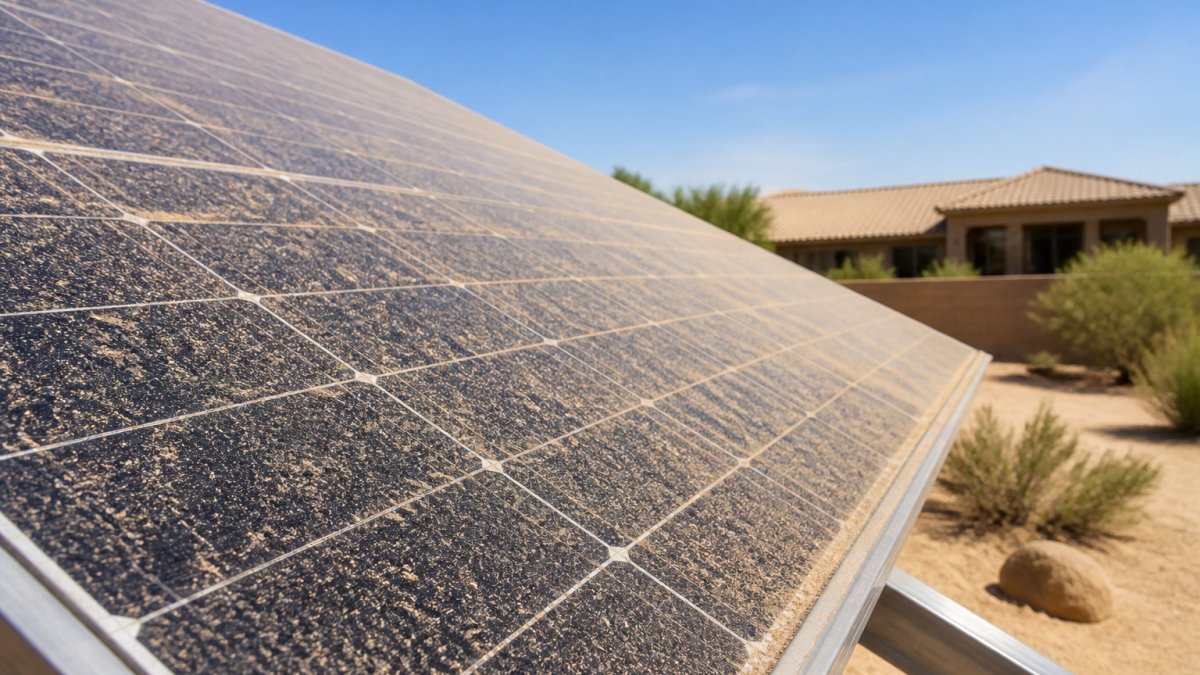
A solar cleaning quote is your first step toward restoring your photovoltaic modules to peak performance. Over time, dust, pollen, bird droppings, and mineral deposits accumulate on panel surfaces, reducing energy output significantly. Getting a professional estimate helps you understand the cost, scope, and expected return on your investment before committing to service.
Most homeowners and facility managers don't realize how much debris impacts their solar array's efficiency. A quote from a certified provider gives you concrete numbers: what the cleaning will cost, how long it takes, and what performance gains you can expect. This transparency lets you make an informed decision about whether professional cleaning makes financial sense for your specific situation.
Many property owners delay cleaning because they don't understand the actual cost or process. A detailed quote removes that uncertainty. You'll see exactly what's involved, what your system needs, and whether the energy savings justify the service investment.
Cost of Professional Solar Panel Cleaning
Professional solar panel cleaning costs vary based on system size, roof complexity, and environmental factors. Rather than guessing, requesting a quote from certified providers gives you accurate pricing tailored to your actual installation.
The cost of professional solar panel cleaning depends on several variables that affect labor, equipment, and time on site. A small residential system on a single-story home costs less than a large commercial array on a complex roofline. Environmental factors matter too: systems heavily soiled with bird droppings or mineral buildup require more intensive cleaning than those with light dust accumulation.
What Affects Your Cleaning Price
Your cleaning price depends on factors specific to your property and solar array. Understanding these drivers helps you evaluate quotes and compare service providers fairly.
System size is the primary cost factor. A 5-kilowatt residential system requires different labor and equipment than a 50-kilowatt commercial installation. Providers typically quote per-panel pricing or by total system size, so knowing your panel count helps you compare estimates.
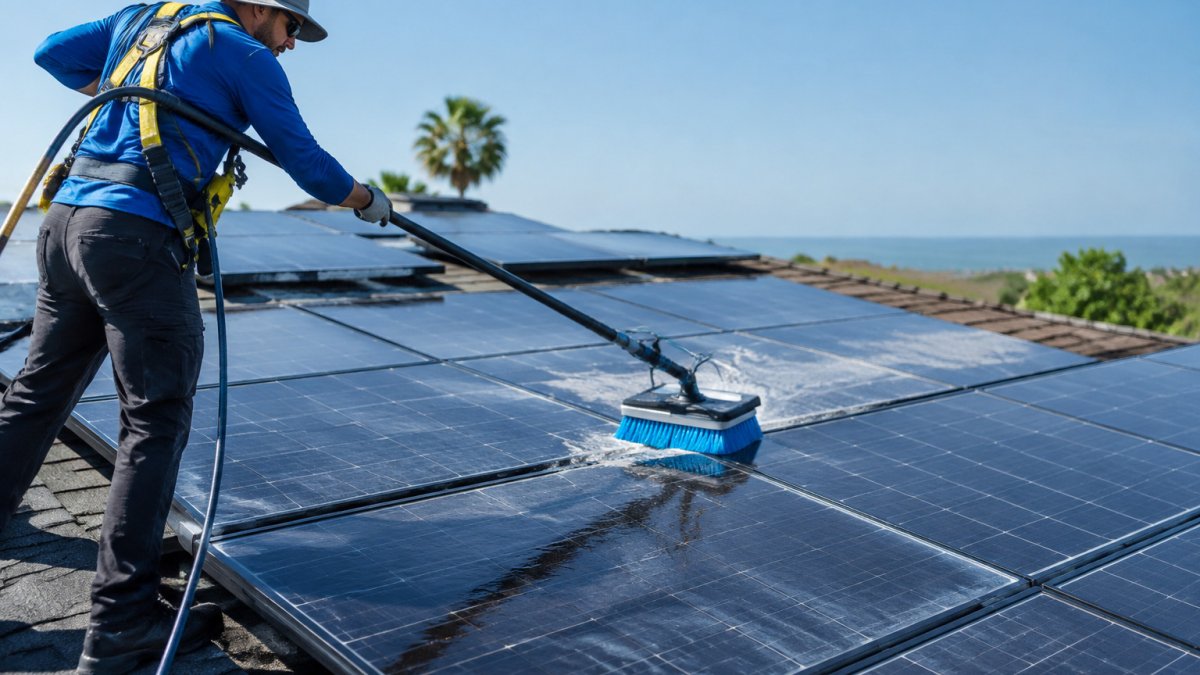
Roof accessibility significantly impacts labor costs. Systems on single-story homes with easy ladder access cost less than installations on steep roofs or multi-story buildings requiring safety equipment. Providers must follow OSHA safety standards, which means some roofs need specialized equipment or additional crew members, increasing the service cost.
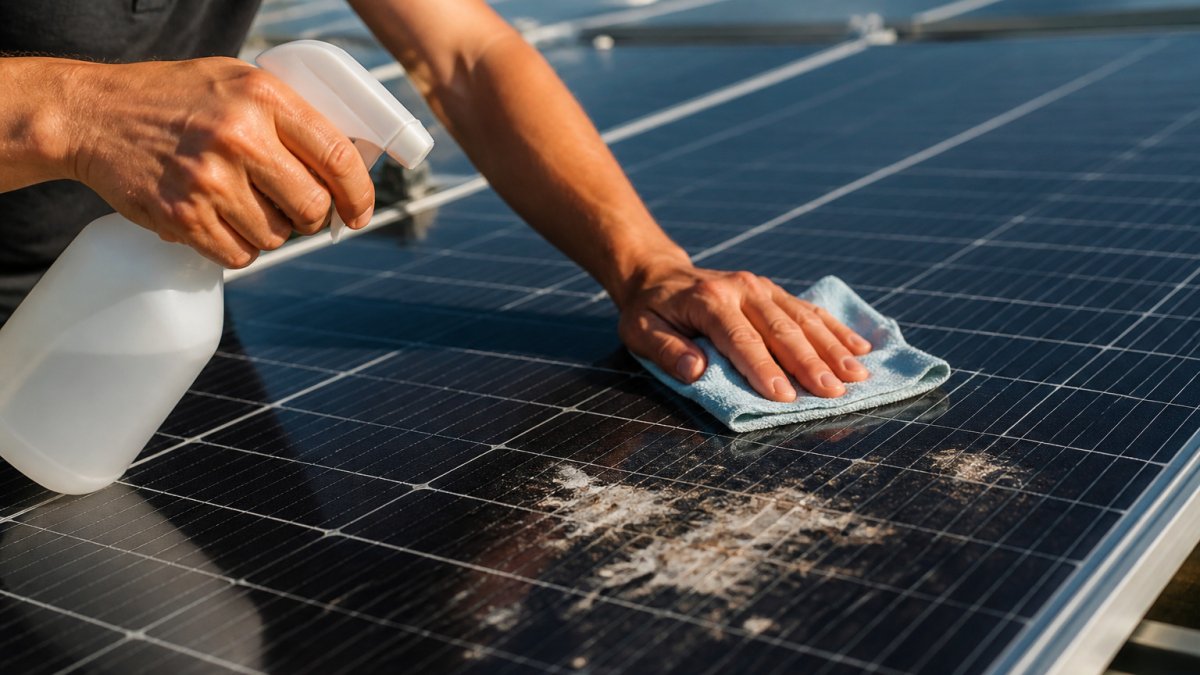
Debris severity determines cleaning intensity. Light dust removal takes less time than removing stubborn bird droppings or mineral deposits from hard water spray. Heavily soiled systems require longer contact time and potentially different cleaning methods.
Solar Panel Cleaning Service Price Factors
When you request a solar cleaning quote, providers assess multiple factors to calculate your final cost. Understanding these variables helps you evaluate whether quotes are competitive and what drives price differences between service providers.
System Size and Panel Count
Your solar array's size directly affects cleaning cost and labor time. Larger systems take longer to clean and require more deionized water and equipment operation time.
A residential system with 20-30 panels represents a typical homeowner installation. Commercial warehouses often have 100-200 panels or more. Solar farms can include thousands of panels across multiple arrays. Providers typically charge per panel or per kilowatt of installed capacity, so understanding your system size is essential before requesting quotes.
When you get a quote, ask the provider to break down pricing by panel count. This lets you compare estimates across different companies. Some providers offer tiered pricing: lower per-panel rates for larger systems, higher rates for small residential installations.
Roof Accessibility and Safety Requirements
Roof pitch, height, and structural complexity affect how safely and quickly technicians can work. Systems on steep roofs or buildings with limited access points require additional safety measures and crew coordination.
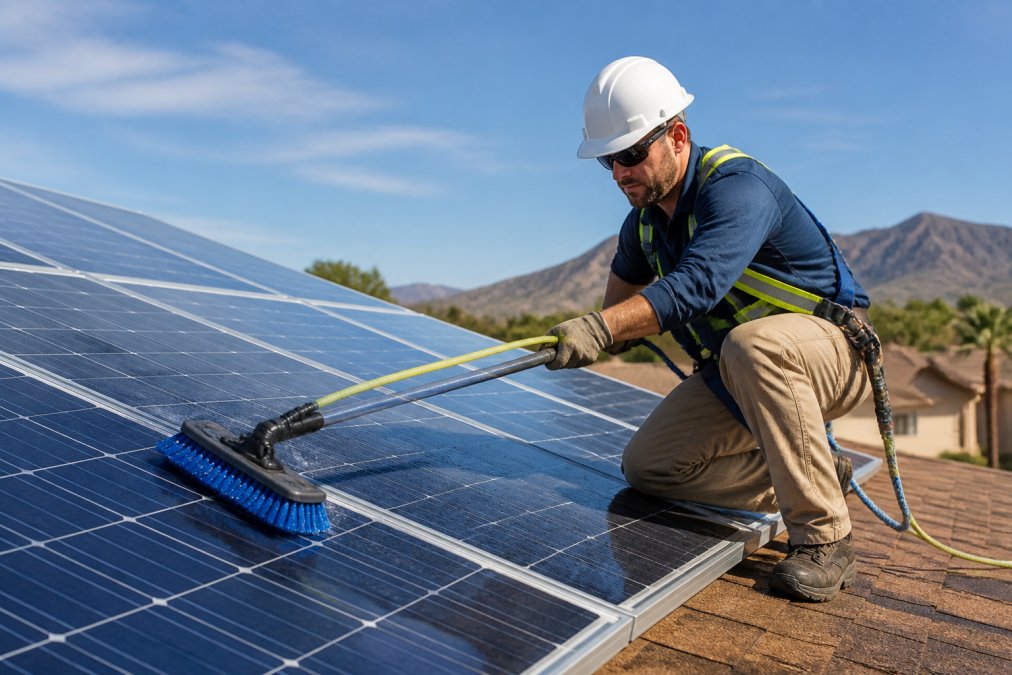
OSHA-trained technicians must use safety harnesses, fall protection equipment, and proper ladder placement on steep or high roofs. These safety requirements add labor costs but protect your investment and the service team. Single-story homes with moderate roof pitch are typically the least expensive to service. Multi-story commercial buildings or steep-pitched residential roofs cost more due to safety protocols.
When requesting a quote, be prepared to describe your roof: pitch angle, height, material, and any obstacles near the solar array. Providers often ask for photos to assess accessibility before quoting.
Debris Severity and Environmental Factors
Your location and recent weather patterns influence how dirty your panels are. Coastal areas with salt spray, agricultural regions with pollen, and neighborhoods with bird populations experience faster soiling.
Systems in dusty environments accumulate more debris between cleanings. Bird droppings and mineral deposits from hard water require more intensive removal than simple dust. Recent storms or dry seasons affect soiling levels. A quote should reflect your system's actual condition, not a generic assumption.
When you contact providers, describe your system's current condition. Mention visible bird droppings, dust buildup, or mineral staining. Providers may ask for photos to assess soiling severity and recommend cleaning frequency.
How Often to Clean Solar Panels
Cleaning frequency depends on your location, weather patterns, and system performance. Most systems benefit from annual or semi-annual cleaning, though some environments require more frequent service.
Residential systems in moderate climates typically need cleaning once or twice per year. Coastal areas with salt spray, agricultural regions with heavy pollen, or locations with frequent bird activity may need quarterly cleanings. Monitoring your energy output helps determine if cleaning is needed: a sudden drop in production often indicates soiling.
Professional providers can recommend a cleaning schedule based on your specific location and environmental factors. When you get a quote, ask about recommended frequency for your area. Some companies offer maintenance plans with regular scheduled cleanings at discounted rates.
Steps to Request Your Solar Cleaning Quote
Getting an accurate quote involves preparing your system information and contacting certified providers. The process takes just a few minutes but gives you the data needed to make an informed decision.
Prepare Your System Information
Before contacting providers, gather details about your solar installation. Having this information ready speeds up the quoting process and helps providers give you accurate estimates.
Collect your system size (kilowatts or panel count), installation date, roof type, and any visible soiling or damage. If you have your solar installer's documentation, that's helpful. Note your roof's pitch and height if you know it. Take photos of your panels, especially any areas with bird droppings or heavy dust accumulation.
This preparation takes 10-15 minutes but gives providers what they need to quote accurately without requiring a site visit first.
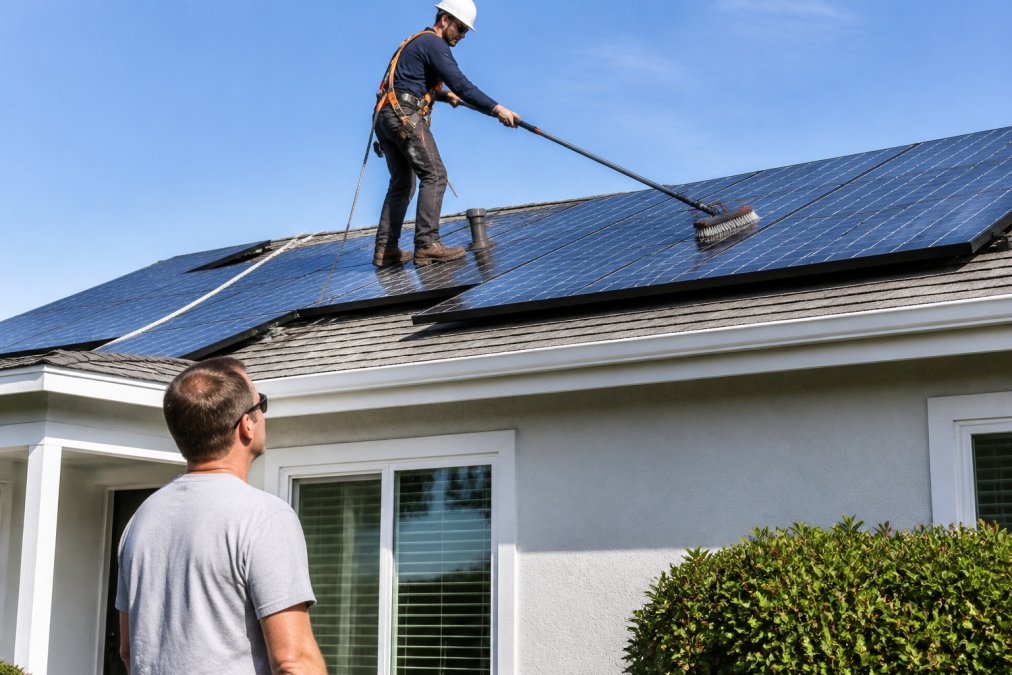
Get Free Estimates from Certified Providers
Most professional solar cleaning companies offer free estimates. Contact multiple providers to compare pricing, service approach, and recommendations.
When you request a solar cleaning quote, ask whether the estimate is free and whether it includes a site visit or can be done remotely based on photos and system details. Ask about certifications: OSHA training, solar-specific training, and insurance coverage. Request references from recent residential or commercial customers.
Reputable providers like Mr Clean Solar Cleaning offer detailed estimates that explain what's included, how long service takes, and what results you can expect. Compare at least two or three quotes to understand the market range for your specific system.
Review the Quote Details
A complete solar cleaning quote should itemize costs and explain what's included in the service. Review each estimate carefully before deciding.
Look for these elements in your quote: total cost, per-panel or per-kilowatt pricing, service duration, deionized water use, equipment used, safety protocols, and warranty compliance. Ask whether the quote includes a performance report showing energy output before and after cleaning.
The lowest price isn't always the best value.
What to Expect in a Professional Quote
A professional solar cleaning quote provides transparency about cost, scope, timing, and expected results. Understanding what should be included helps you evaluate whether a provider is thorough and professional.
DIY Cleaning vs. Professional Service
Many homeowners consider cleaning their panels themselves to save money. Understanding the trade-offs between DIY and professional service helps you make the right choice.
Protecting Your Warranty When Getting Panels Cleaned
Your solar panel manufacturer's warranty typically covers defects but excludes damage from improper maintenance. Choosing the right cleaning service protects both your warranty and your investment.
| Factor | Impact on Quote | Key Consideration |
|---|---|---|
| System Size | Primary cost driver | Larger systems cost more; compare per-panel pricing |
| Roof Accessibility | Safety and labor costs | Steep or high roofs increase complexity and cost |
| Debris Severity | Cleaning intensity required | Heavy soiling takes longer and costs more |
| Cleaning Frequency | Maintenance planning | Annual or semi-annual service typical; location-dependent |
| Warranty Compliance | Service method selection | Professional deionized water cleaning protects warranty |
Frequently Asked Questions
How much does professional solar panel cleaning typically cost?
Pricing for professional solar panel cleaning depends on your system size, roof accessibility, debris severity, and local service availability. Residential systems generally cost less than commercial installations. Request a free estimate from certified providers like Mr Clean Solar Cleaning to get an accurate quote based on your specific photovoltaic array. Avoid making assumptions, quotes vary significantly by location and system complexity.
How often should solar panels be cleaned to maintain peak efficiency?
Cleaning frequency depends on your environment. Residential systems in dusty or coastal areas benefit from quarterly cleaning, while systems in cleaner climates may need semi-annual service. Areas with heavy pollen accumulation, bird droppings, or mineral-rich water require more frequent maintenance. A certified specialist can recommend the right schedule based on your local environmental factors.
Will professional solar cleaning void my warranty?
Professional solar panel cleaning using soft-bristle equipment and deionized water will not void your warranty when performed by certified technicians. Pressure washing and abrasive methods can damage panels and may void coverage, which is why hiring OSHA-trained specialists matters. Always request documentation of the cleaning method used and confirm your installer's warranty compliance requirements before scheduling service.
What's included in a solar cleaning service estimate?
A complete quote should specify panel count, cleaning method (deionized water, soft-bristle systems), safety equipment used, service date, total cost breakdown, and estimated energy efficiency gains. Professional estimates from certified providers also include warranty compliance details and before-and-after performance monitoring. The estimate should clearly outline what's covered and any additional charges for difficult-to-reach areas or severe bird droppings and debris removal.