 how-to
Solar Panel Cleaning in Northern California: A Complete Guide
Table of Contents
- Why Solar Panel Cleaning Matters for Peak Performance
- How Often to Clean Solar Panels: Maintenance Schedules That Work
- DIY Solar Panel Cleaning: Safe Methods and Best Practices
- Solar Panel Cleaning Cost Per Panel: What Affects Pricing
- Is Professional Solar Panel Cleaning Worth It? ROI Analysis
- Getting a Solar Panel Cleaning Quote: Checklist and Evaluation
- When Not to Clean Your Panels: Assessment and Seasonal Considerations
- Frequently Asked Questions
Last Updated: October 19, 2026
Why Solar Panel Cleaning Matters for Peak Performance
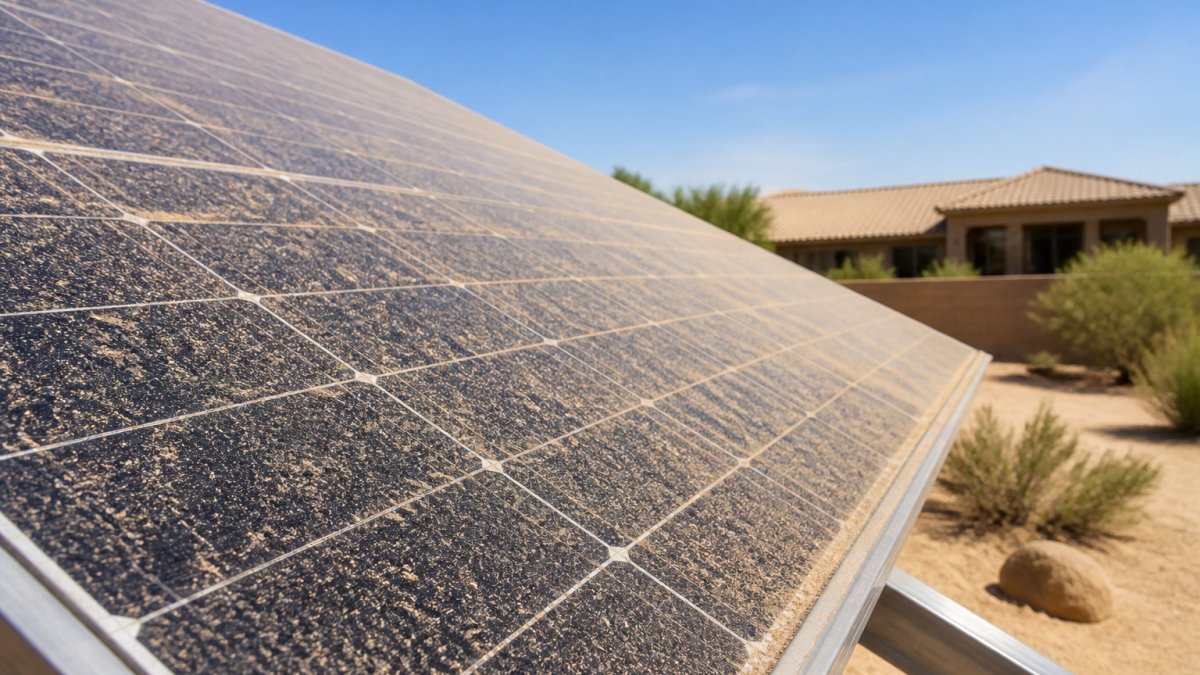
Your solar panels are an investment. Dust, bird droppings, pollen, and mineral deposits accumulate over time and block sunlight from reaching your cells. When panels get dirty, they simply don't produce as much energy.
Solar panel cleaning northern in California is essential because the region's climate creates specific challenges. Dry summers leave mineral deposits from sprinkler overspray. Fall brings leaves and pollen.
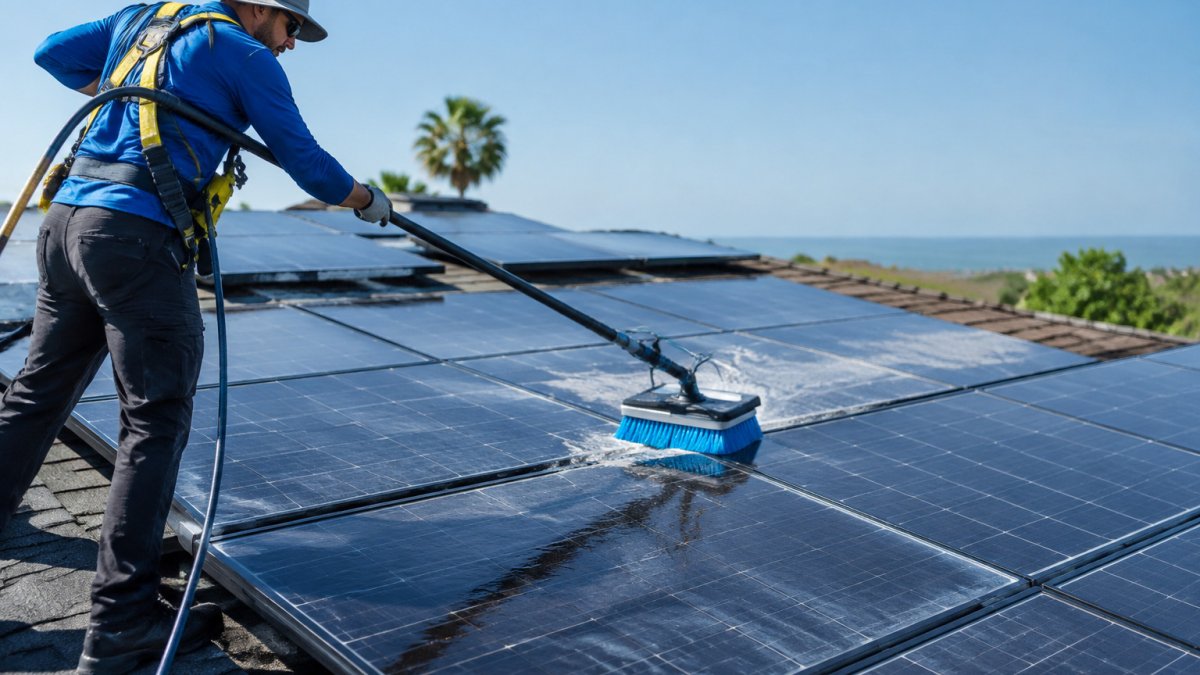
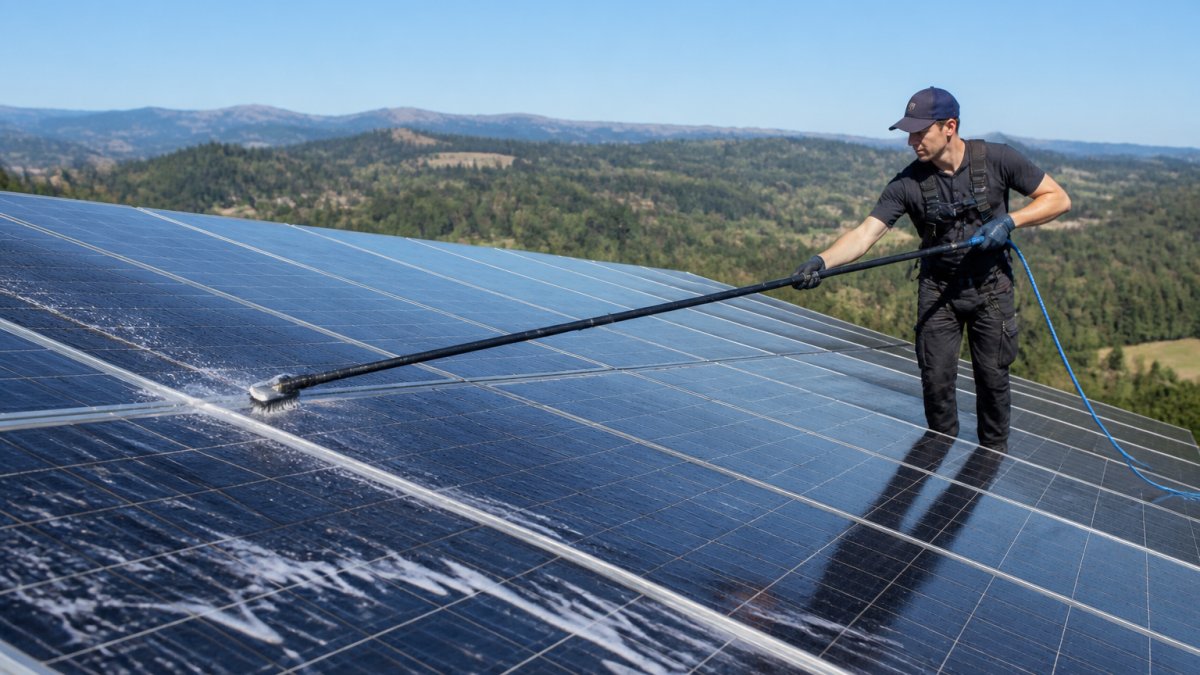
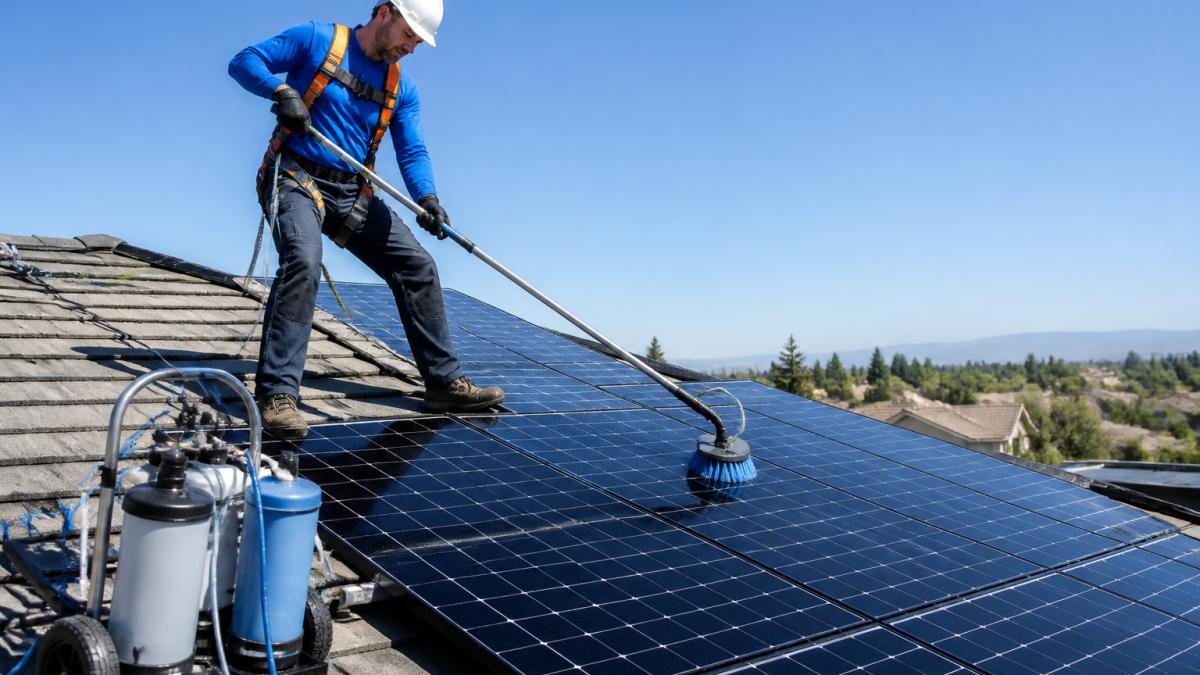
The good news: cleaning restores performance. Mr Clean Solar Cleaning uses advanced purified deionized water and soft-bristle systems engineered specifically for solar glass. This approach removes buildup without scratching or damaging the panels.
Think of it this way: a dirty panel is like driving with a dirty windshield. You can still drive, but you're not seeing clearly. Clean the glass and everything works better.
How Often to Clean Solar Panels: Maintenance Schedules That Work
Most residential systems benefit from cleaning twice per year. Spring and fall work well for Northern California homes. Spring removes winter accumulation. Fall clears summer dust and pollen before the rainy season.
However, your actual cleaning frequency depends on several factors:
- Location and surroundings: Homes near trees, construction sites, or coastal areas with salt spray need more frequent cleaning
- Roof pitch: Steeper roofs shed debris naturally; low-pitch roofs accumulate more
- Local weather patterns: Dry seasons mean more dust buildup; rainy periods help self-clean panels
- Panel orientation: South-facing panels in direct sun tend to shed debris better than north-facing ones
Commercial facilities and solar farms often benefit from quarterly cleaning schedules. Larger installations with hundreds of panels justify the investment because output gains compound across many units. A significant efficiency restoration on 200 panels translates to significant energy production gains.
The most practical approach: monitor your energy output monthly. If production drops noticeably without weather explanation, that's your signal to clean. Professional solar cleaning services can provide detailed performance reports showing before-and-after output, so you know the cleaning delivered measurable results.
DIY Solar Panel Cleaning: Safe Methods and Best Practices
You can clean your own panels if you are comfortable with basic safety precautions. DIY cleaning works best for single-story homes with easy roof access and manageable panel counts. For multi-story homes, large installations, or steep roofs, professional service is safer and more practical.
Water Quality: Why Deionized Water Matters
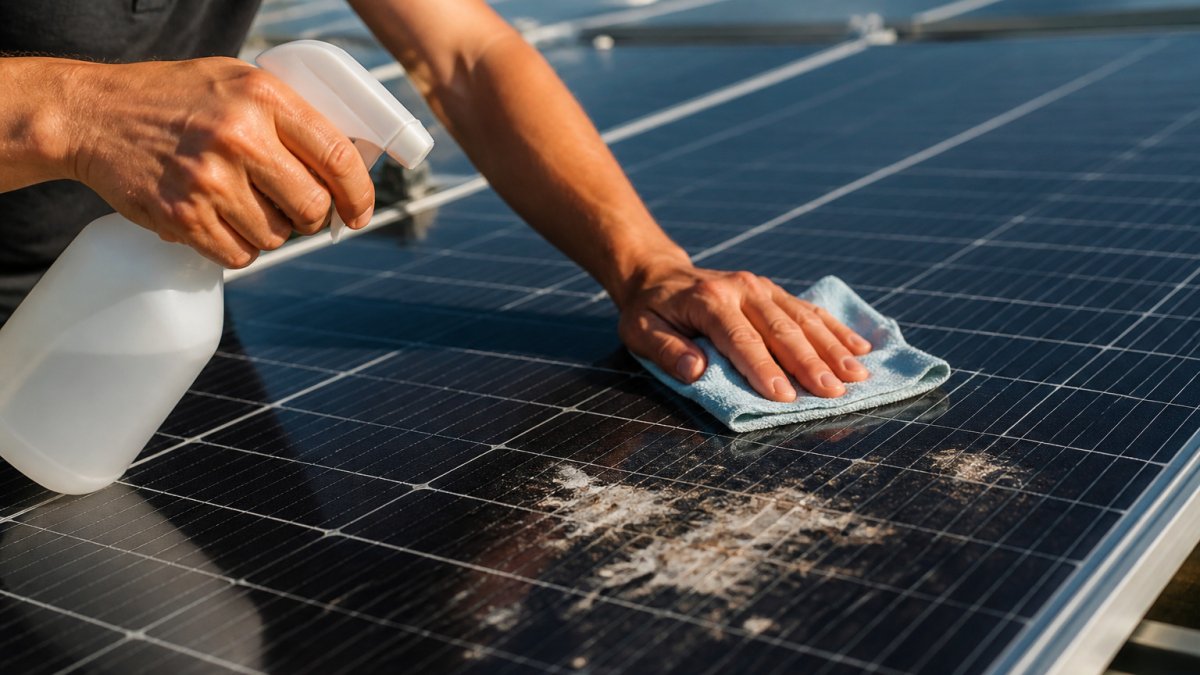
Tap water contains dissolved minerals, primarily calcium and magnesium, that leave white spots on solar glass as water evaporates. Those spots scatter light and reduce output, and they can become harder to remove the longer they bake on. Most practitioners find that deionized (DI) water or reverse-osmosis water is the safest choice because it leaves no mineral residue. If you cannot source DI water, a final rinse with distilled water from a garden sprayer is a practical compromise. Avoid well water and softened water, which carry high mineral loads.
Tools and Products: What to Use and What to Avoid
- Soft-bristle brush or microfiber mop: Use a dedicated solar brush with unflagged bristles. Never use abrasive pads, steel wool, or hard-bristled deck brushes.
- Squeegee with a soft rubber blade: Optional, but helpful for streak-free drying on flat panels.
- Low-pressure garden hose with a gentle nozzle: Never a pressure washer. High pressure can damage anti-reflective coatings and force water past frame seals into electrical connections.
- Mild, non-abrasive soap: A small amount of pH-neutral soap designed for solar glass is acceptable. Avoid dish soaps with degreasers, citrus-based cleaners, and anything containing ammonia or abrasives.
- Safety harness and non-slip shoes: Required if your roof pitch exceeds 6:12 (about 26 degrees).
- Work gloves and a bucket: For control and mixing solution.
Step-by-Step Cleaning Process
Step 1: Shut down the system. Turn off the inverter before starting.
Step 2: Rinse with low-pressure water. Use a garden hose on a gentle setting to remove loose dust and debris.
Step 3: Mix a mild solution. Combine deionized or distilled water with a small amount of pH-neutral soap.
Step 5: Final rinse with deionized water. Rinse thoroughly until all soap residue is gone.
Step 6: Let dry completely. Allow panels to air dry. Do not wipe with towels, which can leave lint and streaks.
Step 7: Restart the system. Once panels are dry, turn the inverter back on and monitor output.
Electrical Safety and Warranty Protection
Solar panels produce direct current whenever light hits them, even when the inverter is off. Treat the array as energized at all times. Do not touch wiring, junction boxes, or connectors, and do not stand on panels. Most manufacturers permit homeowner cleaning with soft brushes and mild soap, but pressure washing and abrasive products can void warranties. Check your specific panel warranty for cleaning requirements, since manufacturers have slightly different rules.
Never work alone on your roof. Have someone at ground level who can call for help. If your roof is steep, wet, or more than one story, hire a professional rather than risk a fall.
Solar Panel Cleaning Cost Per Panel: What Affects Pricing
Pricing for professional solar panel cleaning varies based on several factors. The cost per panel depends on system size, accessibility, panel condition, and local service availability.
Larger systems typically cost less per panel because the service provider spreads overhead across more units. A 5-panel residential system costs more per panel than a 50-panel installation.
Accessibility matters significantly. Single-story homes with ground-level access cost less than two-story homes requiring ladder work or fall protection. Flat roofs are easier than steep pitched roofs.
For specific pricing, contact Mr Clean Solar Cleaning directly for a quote tailored to your system size and location.
The key question isn't the cost per panel, it's the return on investment.
Is Professional Solar Panel Cleaning Worth It? ROI Analysis
The math is straightforward: if cleaning costs less than the energy value it restores, it's worth doing.
Example: A residential system producing 800 kilowatt-hours monthly loses efficiency due to buildup. That's 240 kilowatt-hours of lost production monthly.
Professional cleaning that restores 25-30% efficiency pays for itself in 4-12 months through energy savings alone. After that, it's pure gain.
For commercial facilities with 200+ panels, the ROI is even stronger. A warehouse with rooftop solar producing 50,000 kilowatt-hours monthly could lose 15,000 kilowatt-hours from dirt buildup.
The challenge: most homeowners don't track their system's actual efficiency loss.
One honest limitation: if your panels are relatively new and in a clean environment, the efficiency gain might be smaller.
Getting a Solar Panel Cleaning Quote: Checklist and Evaluation
When requesting a quote, provide this information:
| Information | Why It Matters |
|---|---|
| Total panel count | Determines labor hours and pricing |
| System age and condition | Older systems may need gentler handling; heavily soiled panels require more time |
| Roof type and pitch | Steep or complex roofs increase difficulty and safety requirements |
| Current energy output | Baseline for measuring post-cleaning improvement |
| Service location (city/zip) | Determines travel time and regional pricing |
| Preferred cleaning frequency | Annual, semi-annual, or quarterly affects scheduling and pricing |
Ask these questions before committing:
- What cleaning method do you use? (Soft-bristle systems and purified water are standard; pressure washing is a red flag)
- Are you insured and bonded? (Non-negotiable for liability protection)
- Do you provide performance reports? (Before-and-after output documentation proves results)
- What's your warranty on the cleaning work?
- Can you provide references from similar installations? (Track record matters)
Mr Clean Solar Cleaning is fully insured, OSHA-trained, and uses purified deionized water systems. The team provides detailed performance reports showing energy output improvement, so you have documented proof of the cleaning's value.
When Not to Clean Your Panels: Assessment and Seasonal Considerations
Not every situation calls for immediate cleaning. A decision guide based on rainfall, visible soiling, local conditions, and production data saves money and prevents unnecessary roof access.
A Simple Decision Framework
Ask three questions before scheduling a cleaning:
- Is there visible soiling? Bird droppings, thick dust films, pollen coatings, and ash are clear signals. Light, uniform dust that rain has recently rinsed is usually not.
- Has production dropped? Compare current output against the same month last year and against your system's expected production. A sustained drop of roughly 15% or more without a weather explanation is a common trigger.
- Is rain forecast? If significant rain is expected within 48 hours, natural rinsing may handle light dust. Skip cleaning and reassess afterward.
Regional Seasonal Guidance
The region's climate creates distinct cleaning windows:
- Spring (March-April): Pollen from trees and grasses coats panels across many areas. A spring cleaning removes pollen and any remaining winter deposits before summer production peaks.
- Summer (June-August): Drought conditions and dry, dusty air leave a film on panels, and sprinkler overspray can deposit minerals. Monitor output monthly; some homes need a mid-summer rinse.
- Fall (September-October): Wildfire ash is the biggest regional wildcard. Ash is alkaline and can be abrasive if scrubbed dry, and it can cake onto glass after a light rain. Remove ash with a gentle low-pressure rinse first, then wash with deionized water. Fall cleaning also clears summer dust before winter rains.
- Winter (December-February): Rain often handles light dust and pollen naturally. Skip cleaning unless panels are visibly soiled or output is down. Never clean panels covered in snow or ice; wait for natural melt.
When to Skip Cleaning
- Panels are relatively new and production is normal for the system size and season.
- Heavy rain is forecast within 48 hours.
- Panels are covered in snow or ice.
- Your roof needs repairs or replacement; schedule those first.
When to Clean Urgently
- Bird droppings or thick algae buildup are visible.
- Output has dropped 15% or more without a weather explanation.
- Panels are visibly dusty, covered in pollen, or coated with ash.
- It has been 12 or more months since the last cleaning.
Avoid cleaning during extreme heat. Panels can reach 140-160°F on hot days, and cool water on hot glass creates thermal stress. Early morning or late afternoon is safer in summer. Also consider roof condition: if workers will be on the roof for repairs next month, wait and clean afterward.
Frequently Asked Questions
How much does professional solar panel cleaning cost per panel?
Professional solar panel cleaning cost per panel depends on your system size, dirt severity, roof access, and service frequency. Pricing for residential systems may differ from commercial installations due to economies of scale. For an accurate quote reflecting your specific situation, contact a certified provider. Pricing varies based on whether you need quarterly maintenance or one-time cleaning after significant dust or debris buildup.
Is professional solar panel cleaning worth it?
Yes, professional solar panel cleaning is worth it when dirt, dust, or bird droppings reduce your energy output. Cleaning can restore efficiency by up to 30%, directly lowering your energy bills. Professional services use certified techniques that protect your warranty and avoid damage from improper pressure washing or abrasive chemicals. For homeowners with visible panel degradation, the ROI typically pays back the service cost within months of restored energy production.
How often should I have my solar panels professionally cleaned?
In Northern California, most homeowners benefit from professional cleaning 2-4 times yearly, depending on local dust levels, pollen, and bird activity. Facilities with heavy dust exposure or near agricultural areas may need quarterly cleanings. Monitor your energy output monthly; if production drops noticeably below baseline, cleaning is due. Seasonal spring cleaning before peak summer production and fall cleanup after dust season are standard schedules.
What should I look for in a solar panel cleaning quote?
A comprehensive solar panel cleaning quote checklist should include: number of panels and system size, cleaning method (soft washing vs. pressure washing), water quality (deionized water reduces streaking), safety certifications (OSHA-trained team), insurance and bonding, performance reporting before and after, and service frequency options. Verify the provider is certified in solar maintenance and ask for customer references. Avoid quotes that don't specify method or safety standards.