 ultimate-guide
Certified Solar Panel Cleaning Services: 2026 Guide
Table of Contents
- Why Certified Solar Panel Cleaning Services Matter for Energy Output
- The Cost of Professional Solar Panel Cleaning: What Affects Your Quote
- Solar Panel Cleaning Frequency: Seasonal Schedules That Protect Your ROI
- OSHA Solar Panel Cleaning Safety Standards and Certified Crews
- The Certified Cleaning Process: Deionized Water, Soft Brushes, and Inspection
- Warranty, Water Quality, and the Risks of Improper Cleaning
- Conclusion: Protecting Your Solar Investment With Certified Cleaning
- Frequently Asked Questions
Last Updated: September 16, 2026
Why Certified Solar Panel Cleaning Services Matter for Energy Output
Certified solar panel cleaning services are professional maintenance programs delivered by trained, insured technicians who restore photovoltaic efficiency without damaging panel glass or voiding warranties. At Mr Clean Solar Cleaning, we've cleaned 50,000+ panels, and the pattern is consistent: dirty arrays underperform, and most owners don't notice until the numbers drop.
How Soiling Loss Cuts Into Your Energy Yield
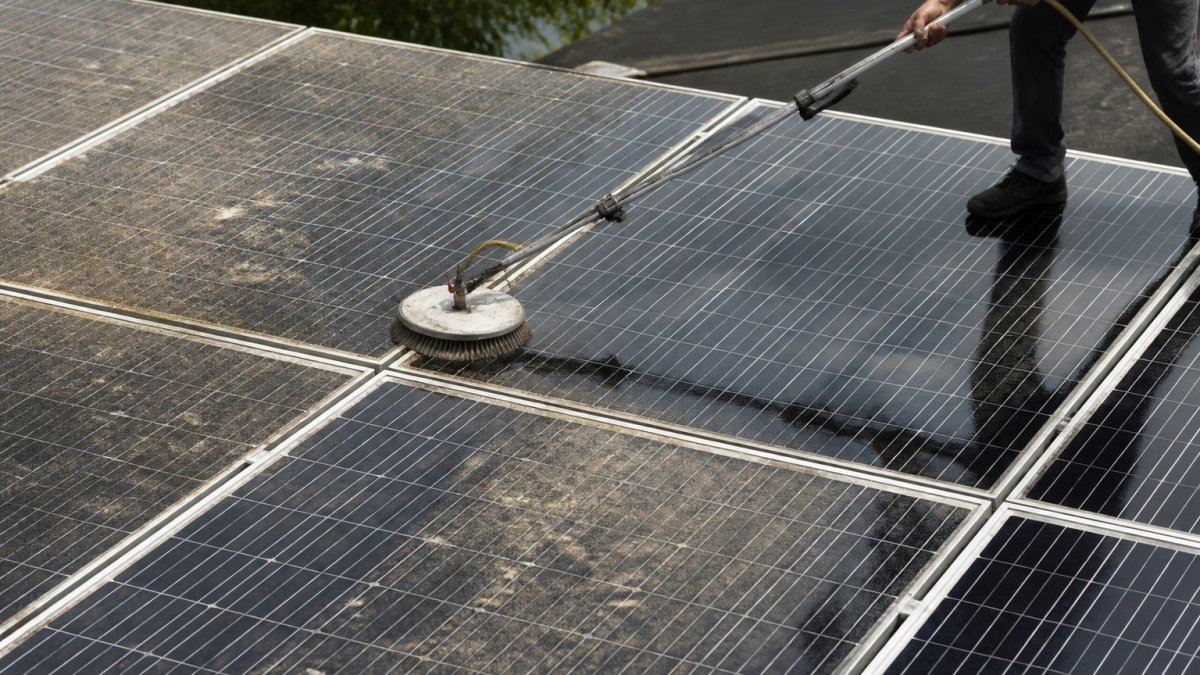
Soiling loss is the reduction in energy output caused by dust, pollen, bird droppings, and other environmental contaminants settling on panel glass. Even a thin film of grime blocks sunlight before it reaches the photovoltaic cells, and the loss compounds across the whole solar array.
When DIY Cleaning Becomes a Risk
The biggest mistake homeowners make is treating panels like windows. They're not. Solar glass carries an anti-reflective coating that scratches under abrasive pads, hard water, or pressure washing, and micro-cracking from improper technique is permanent.
The Cost of Professional Solar Panel Cleaning: What Affects Your Quote
The cost of professional solar panel cleaning depends on system size, roof access, soiling severity, and travel distance, not a flat per-panel rate. Any provider quoting a single number without seeing your array is guessing. But "it depends" is not a budget, so here is the framework certified providers actually use to build a quote, and the ROI math you should run before you approve it.
The Four Cost Drivers, in Order of Impact
- System size and array layout. Panel count sets the baseline labor. A typical residential array runs 10-40 panels on a single roof plane; commercial and agricultural systems run into the hundreds across multiple roof sections or ground-mount rows, and each additional plane adds setup time.
- Roof access and fall-protection setup. Pitch, height, obstructions, and whether a technician can safely anchor a harness drive more of the price than most owners expect. A steep two-story roof with dormers and skylights takes longer to rig safely than a flat commercial roof with parapet anchors.
- Soiling severity and type. A light dust film rinses off. Bird droppings, agricultural overspray, wildfire ash, and baked-on mineral deposits require spot treatment and a second pass. Heavy soiling can roughly double the labor on an otherwise identical array.
- Travel distance and scheduling flexibility. Off-route properties and emergency calls carry a premium. Facilities managers who book quarterly service inside a standing window typically pay less per visit than those calling after a soiling event.
| Factor | Residential Impact | Commercial Impact |
|---|---|---|
| System size | Panel count, 10-40 typical | Hundreds of panels, multi-array |
| Roof access | Pitch, height, obstacles | Multiple roof sections, ground mounts |
| Soiling severity | Bird droppings, dust, pollen | Industrial dust, agricultural debris |
| Scheduling | Flexible timing | Must fit around operations |
| Reporting | Basic before/after photos | Performance and thermography reports |
How to Run the ROI Math Before You Book
This is the step almost no competitor walks you through. Cleaning is a maintenance expense, so it should be justified against the energy it recovers, not against a feeling that the panels "look dirty."
The framework is straightforward:
- Find your soiling loss. Compare your inverter's daily production on a clear, sunny day against a clear-sky baseline for your location and array size. The gap is your soiling loss, expressed as a percentage.
- Convert that percentage to kilowatt-hours. Multiply your array's expected daily production by the soiling loss percentage. That is the energy you are not harvesting each day.
- Apply your electricity rate. Multiply the lost kilowatt-hours by your utility's rate per kilowatt-hour (check your bill, rates vary widely by state and by time-of-use plan). That is your daily dollar loss.
- Compare against the cleaning quote. If the recovered production over the interval between cleanings exceeds the cost of service, the cleaning pays for itself. If it does not, you are buying cosmetics.
What a Service Package Should Include
A legitimate professional solar panel cleaning package covers more than washing. It should include a pre-clean system inspection, deionized water cleaning, and a documented before-and-after performance report.
- Pre-clean inspection with photo documentation
- Deionized water rinse with abrasive-free soft brushes
- Visual check for micro-cracking or hot spots
- Post-clean output comparison report
- Recommendations for future cleaning frequency
Solar Panel Cleaning Frequency: Seasonal Schedules That Protect Your ROI
Solar panel cleaning frequency typically falls between two and four times per year, depending on local soiling rates, rainfall, and nearby dust sources. The right schedule is the one that matches your site's conditions, not a generic annual visit, and the conditions that matter most are seasonal, not annual.
Regional Soiling Calendars
The dominant soiling source changes with the season and the geography. Match your cleaning to the event, not the calendar quarter:
- Spring pollen belt (Northeast, Mid-Atlantic, Southeast, Pacific Northwest). Tree and grass pollen peaks in a narrow window each spring and leaves a sticky, adhesive film that rain does not fully rinse. A cleaning immediately after peak pollen drops restores output before the high-production summer months.
- Wildfire ash season (West, Southwest, and increasingly nationwide during smoke events). Ash is alkaline, abrasive, and often arrives with wind that drives it into panel frames and seams. After a significant smoke or ash event, a rinse-and-clean prevents the ash from baking on during the next hot, dry stretch.
- Desert dust cycles (Southwest, Great Basin). Dust storms and dry winds deposit fine particulate year-round, and the region's low rainfall means nothing washes it off. Two to four cleanings per year is common, timed to follow the windiest periods.
- Agricultural and industrial zones (Central Valley, Midwest, rural corridors). Crop dust, harvest debris, and facility emissions create continuous soiling. Quarterly service is often the baseline, with additional visits after harvest or spraying events.
- Rainy, low-soiling climates (Pacific Northwest lowlands, parts of the Southeast). Frequent rain self-cleans panels for much of the year. One annual cleaning, timed to follow the heaviest pollen or dust season, is often enough, and a certified provider should tell you so rather than sell you a schedule you do not need.
Signs Your Array Needs Cleaning Now
Visible dust, bird droppings, or a chalky film on the glass are obvious signals. Less obvious: a slow decline in daily energy yield, hot spots flagged by performance monitoring, or streaking after rain that dries into mineral spots.
Is cleaning worth it for a small efficiency bump?
Yes, if your soiling is heavy. Bird droppings and dust buildup can noticeably reduce output, and restoring that production lowers your energy bill. For lightly soiled arrays in rainy climates, the return is smaller, which is why a certified provider should assess before recommending a schedule, and why a regional soiling calendar beats a one-size-fits-all annual visit every time.
OSHA Solar Panel Cleaning Safety Standards and Certified Crews
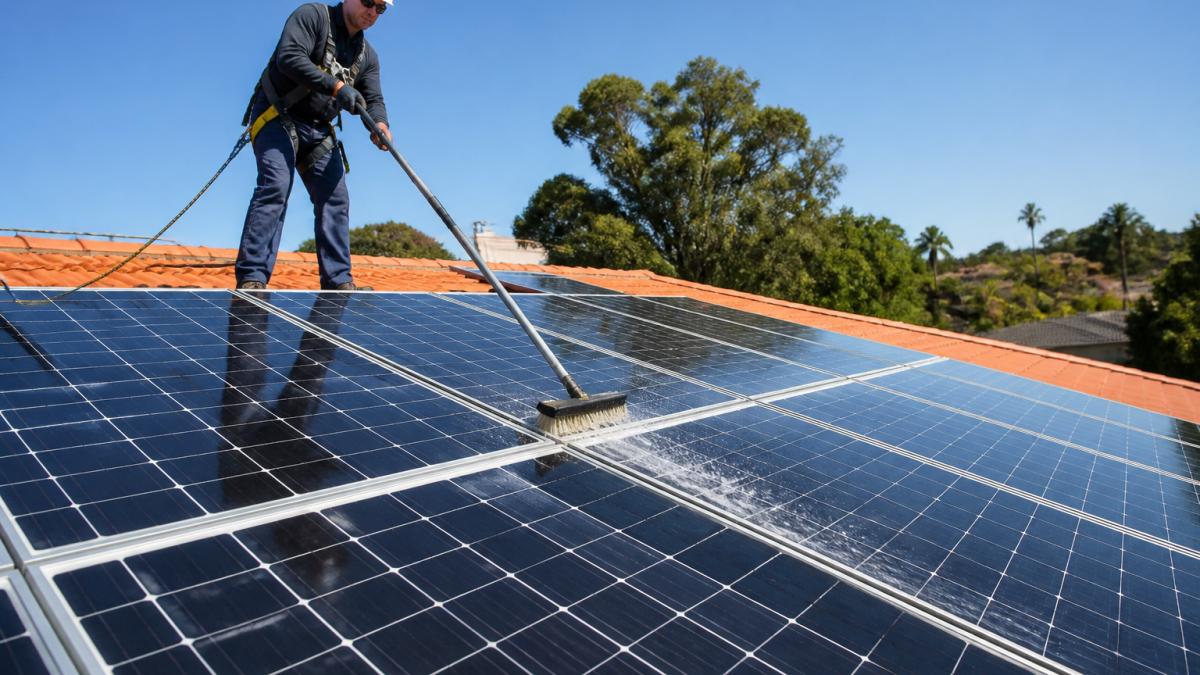
OSHA solar panel cleaning safety standards govern fall protection, ladder use, electrical hazards, and rooftop work practices for anyone servicing a solar array. A certified crew trains to these rules, and that training is the difference between a safe job and a serious liability.
The Certified Cleaning Process: Deionized Water, Soft Brushes, and Inspection
The certified cleaning process uses deionized water, soft-bristle brush technology, and a full system inspection to remove soiling without scratching glass or leaving mineral residue. Deionized water is the key detail: it pulls minerals out of the water so nothing dries onto the panel surface.
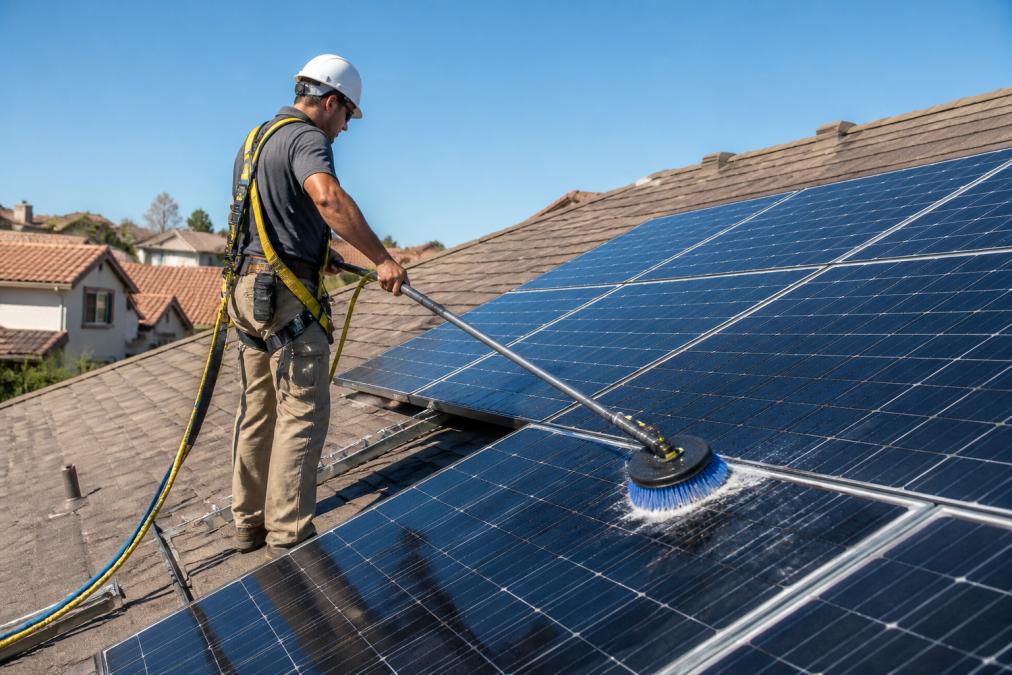
A typical certified service runs through a consistent sequence:
- Inspect the array and document existing soiling and damage
- Set up fall protection and secure the work area
- Rinse loose debris with deionized water
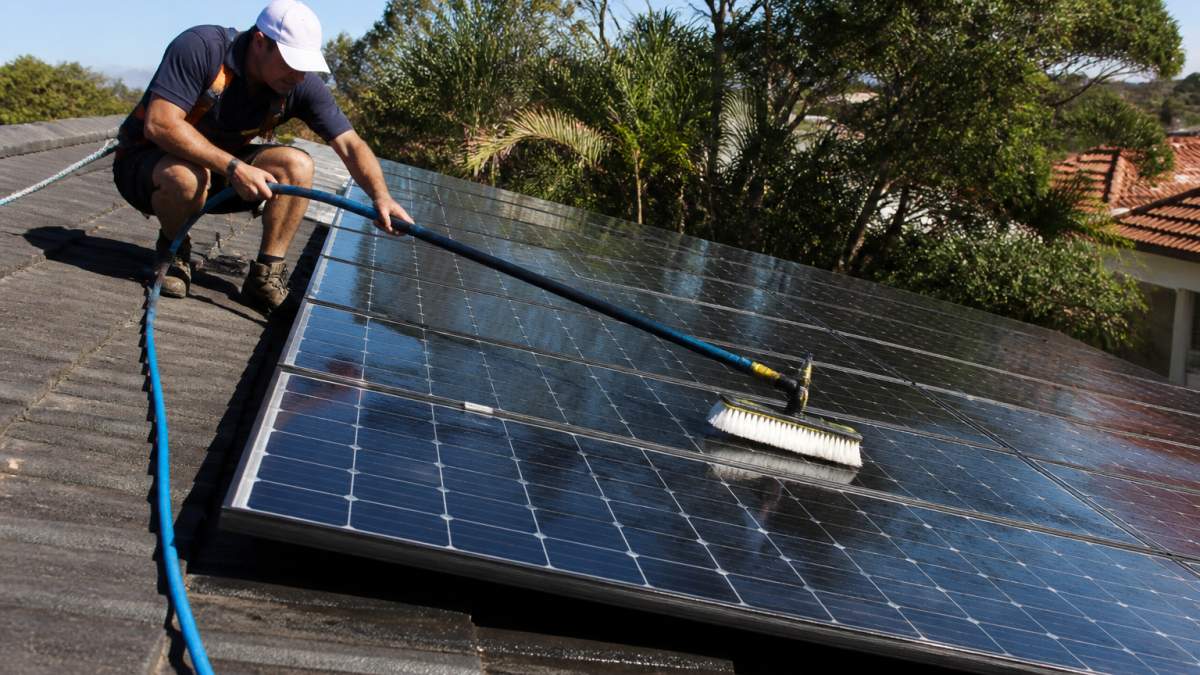
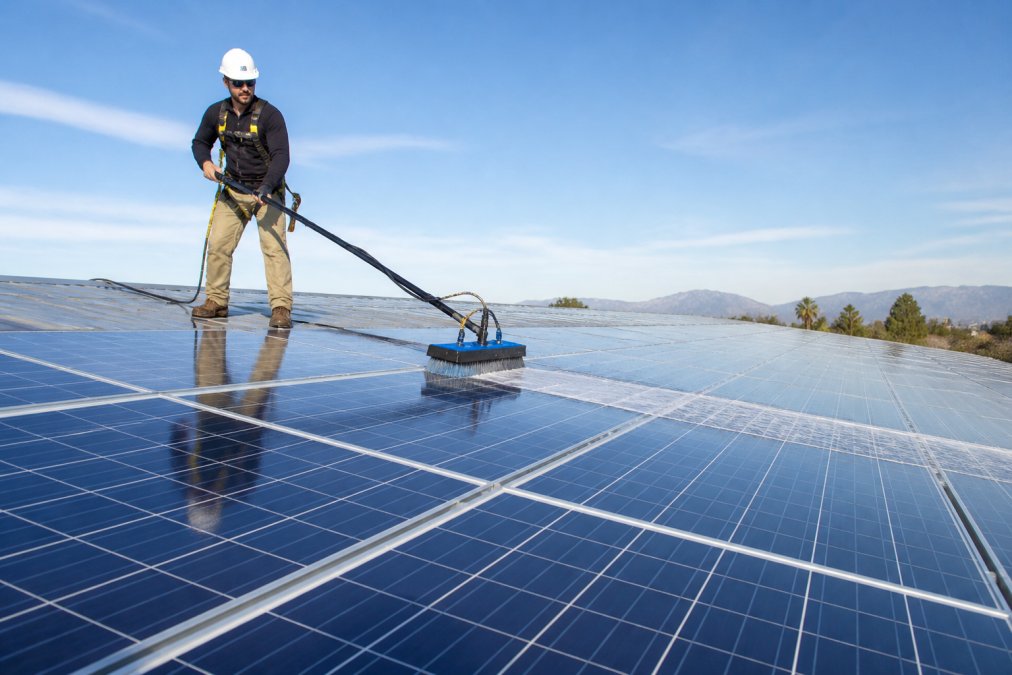
- Scrub with abrasive-free soft brushes on a water-fed pole system
- Spot-treat bird droppings and stubborn mineral deposits
- Final rinse and streak-free dry
- Record before-and-after performance data
Warranty, Water Quality, and the Risks of Improper Cleaning
Warranty implications are the most overlooked reason to hire certified. Most panel manufacturers require reasonable maintenance and prohibit abrasive cleaning, and damage from improper methods can void coverage on the very panels you're trying to protect.
Conclusion: Protecting Your Solar Investment With Certified Cleaning
The challenge is simple: panels degrade quietly, and by the time output drops, you've already lost production you paid for. Certified solar panel cleaning services from Mr Clean Solar Cleaning restore that output with deionized water, soft-bristle systems, and OSHA-trained crews who document every job. You get detailed performance reports, streak-free results, and full insurance coverage on every visit. Get started with Mr Clean Solar Cleaning and protect the return on your solar investment.
Frequently Asked Questions
How much should it cost to get solar panels cleaned?
The cost of professional solar panel cleaning depends on system size, roof pitch, access difficulty, and how much debris has built up. Residential systems with easy roof access cost less than commercial arrays or steep, multi-story installations. Most providers quote per panel or per kilowatt. Mr Clean Solar Cleaning does not publish flat rates because every array is different. Request a quote on their website for an accurate figure based on your specific setup.
How often should solar panels be cleaned to maintain efficiency?
Most residential arrays benefit from cleaning two to four times per year, depending on local dust, pollen, and bird activity. Commercial installations near agricultural land or highways may need quarterly service. A solar panel cleaning frequency of every three months is common for high-soiling areas. Monitoring your energy output between cleanings helps you spot when soiling loss starts to affect production, so you can schedule service before your bill climbs.
What are the risks of cleaning solar panels yourself?
DIY cleaning carries real risks: abrasive brushes or hard water can scratch the glass, pressure washers can force water behind the frame and damage seals, and working on a roof without fall protection is dangerous. Improper cleaning can also void your panel warranty if the manufacturer determines that abrasive or high-pressure methods caused micro-cracking or seal failure. OSHA solar panel cleaning safety standards exist because rooftop work involves genuine fall and electrical hazards. Certified crews carry insurance and training to handle both.
How do certified cleaning services differ from standard window cleaners?
Certified solar panel cleaning services use deionized water, soft-bristle brushes, and OSHA-compliant safety equipment designed specifically for photovoltaic glass. Standard window cleaners often use tap water, which leaves mineral deposits, and may carry no solar-specific training or insurance. Certified technicians also inspect for micro-cracking, inverter health, and debris damage during each visit. That inspection component is what separates a maintenance service from a basic rinse-off.